

Painting in Arcane Style – Ekko’s sword


Ekko’s sword looks cool before paint, but the cel-shaded finish is what really makes it feel like it belongs in the world of Arcane!
In this post, I will show you how I painted Ekko’s sword in a cel-shaded Arcane-inspired style and explain how you can create that animated hand-painted look on your own 3D-printed prop. All that without a postprocess!
So let’s get started!

Supplies
- Printed 3D model of Ekko’s sword (print files here )
- Acrylic paints (white, yellow, black, gold, brown)
- Brushes
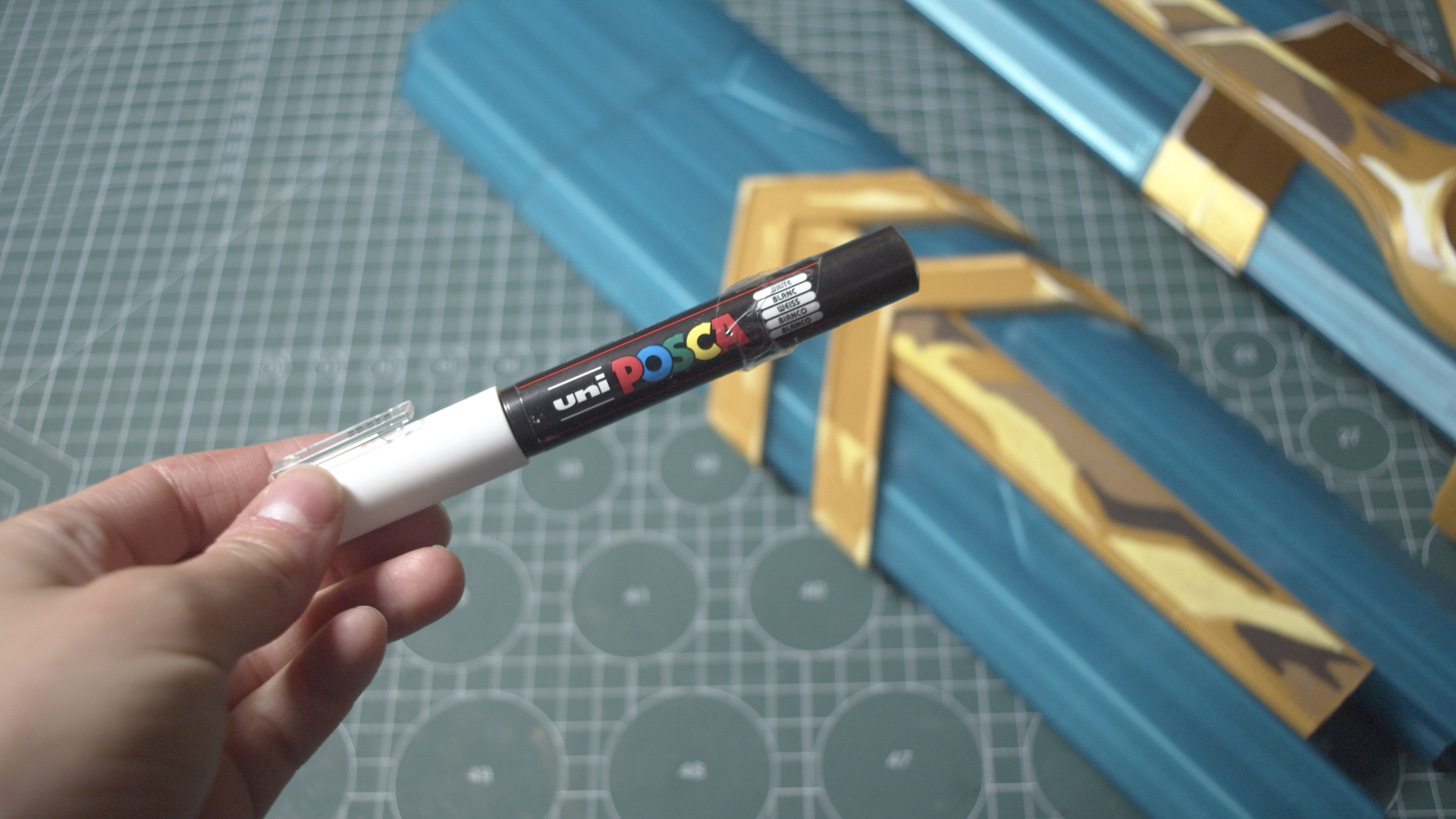
- White acrylic marker (We used Posca)
- Velvet clear coat
- Patience
Process steps in order:
1. Print and assemble your sword
2. Get your table ready for painting
3. Prep your colours
4. Painting darker colours
5. Painting lighter areas
6. Edge paint
7. Fixing colours
8. Your beautiful sword being done! 💛
Timing
- Printing: 25h blade, 28h gold parts (save time printing on 2 printers)
- Assembly: 1hr
- Painting: 4 hrs
- Material used: 1110g
- Verdict: Can be done in the “last minute” pre-con crush week! 🔥
Step 1: Print and assemble your sword
I started by printing all the STL files. You can find all of them HERE🌟
Since I wasn’t about to do any post-processing, I used a layer height of 0.15mm so that the texture of the lines on the surface would be finer.
Bear in mind that if you want the blueish edge parts to be a little see-through, you will have to carefully select the right infill. I tested many different infils. The one that really stood out was “Hilbert curve”. This infill looks pleasant when placed in front of the light source, as it creates monotonous vertical lines that evenly fill the space. That means that the infil lets the light go through just right – not too much and not too little.
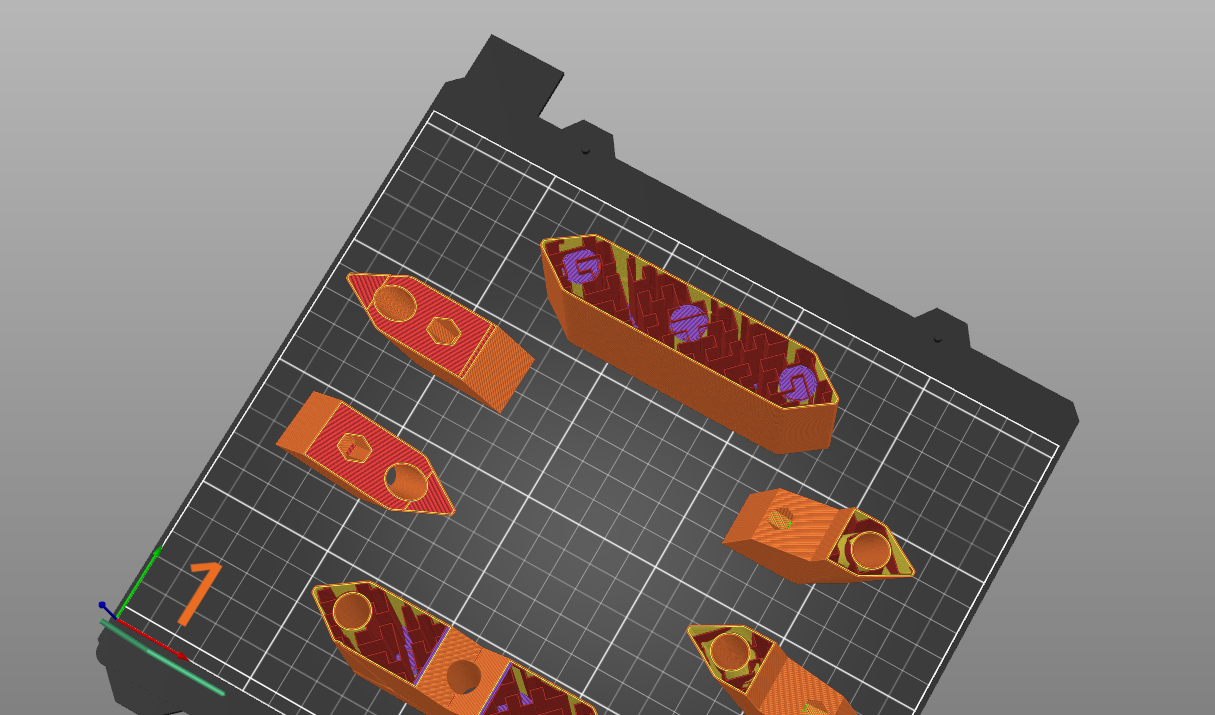
*The Hilbert curve shape infill is shown in the picture above.
Don’t forget the placement of each part in the final assembly of the sword. This will affect how you place individual pieces on your printing bed. The infill lines have to go in the same direction.
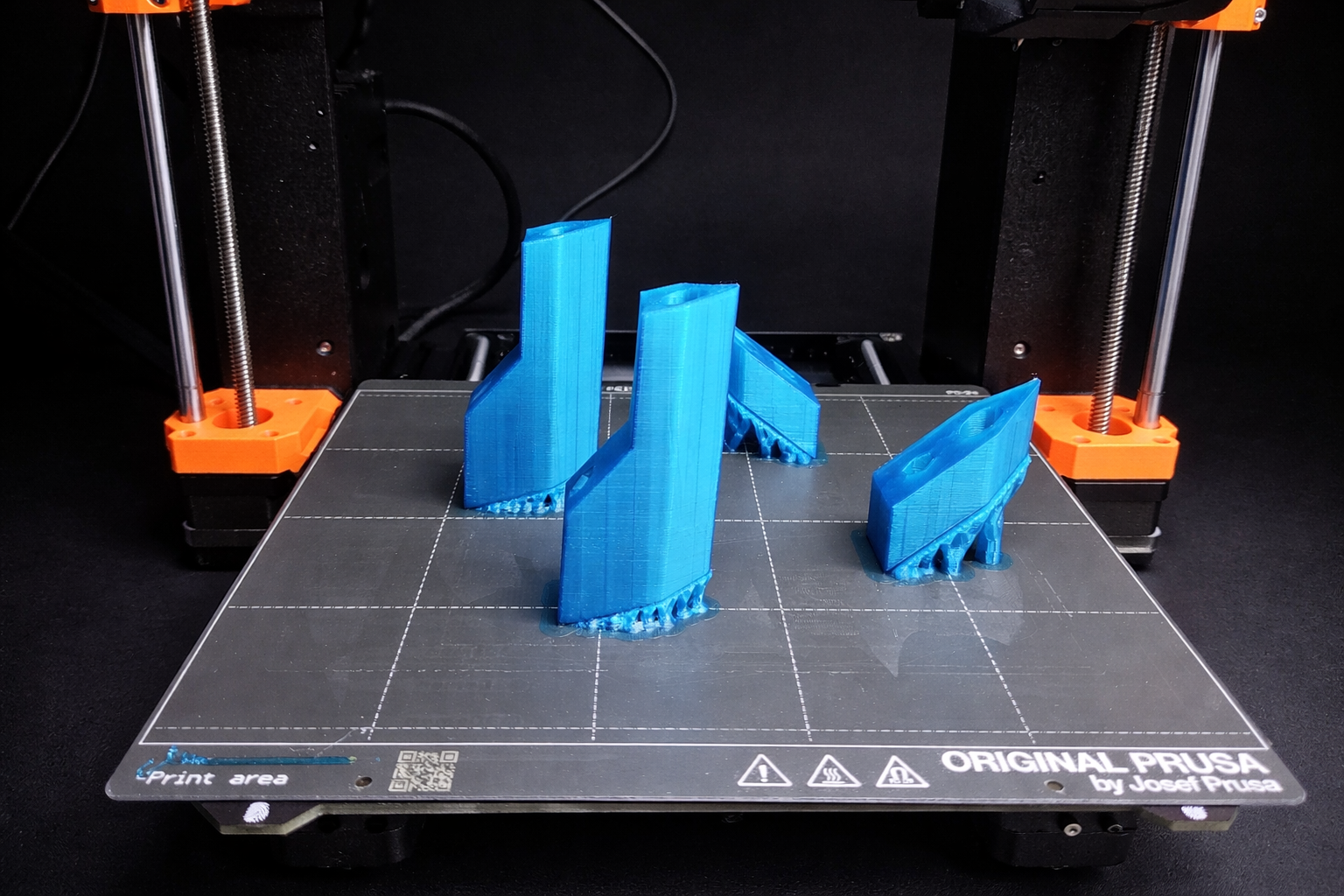
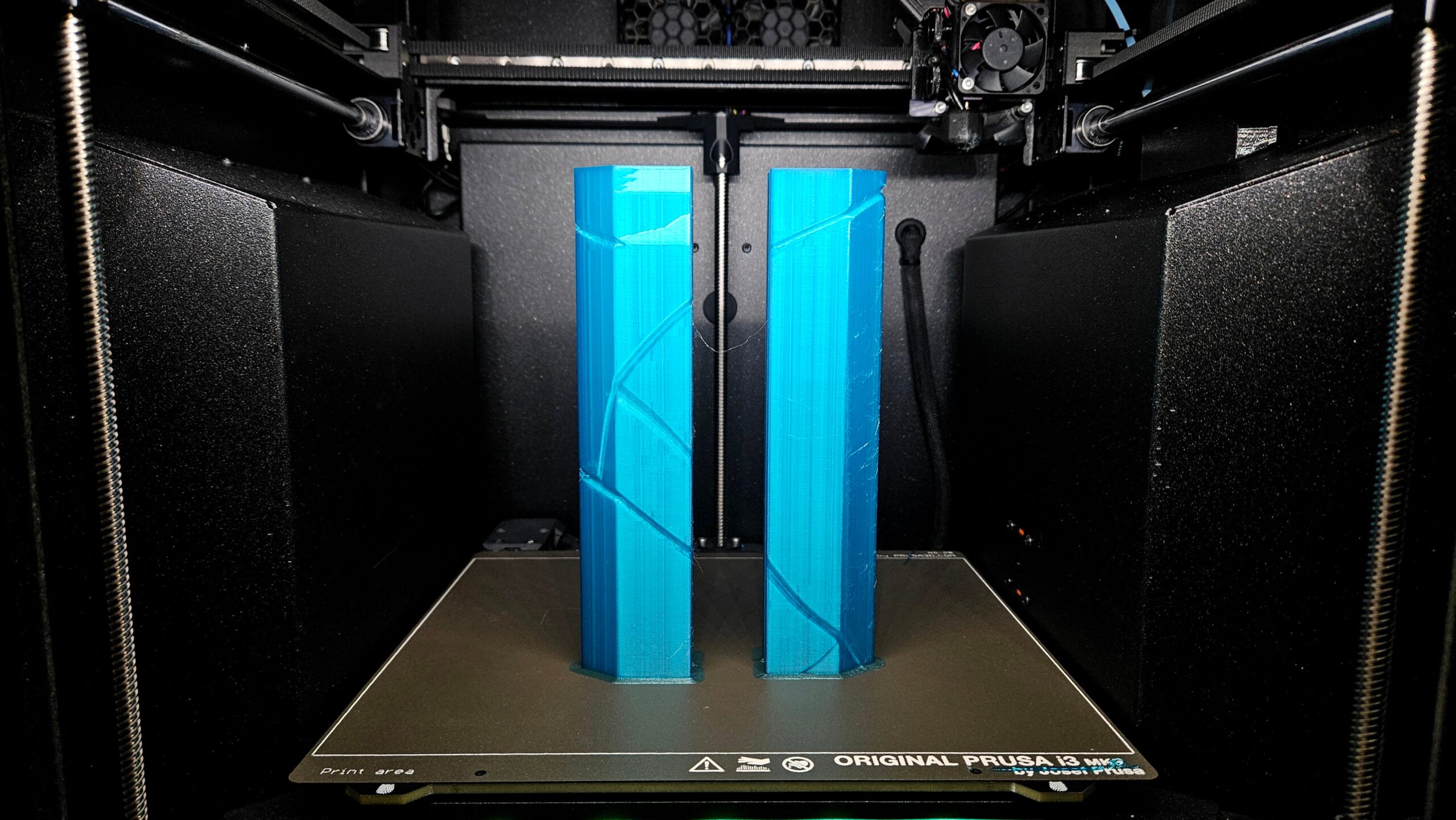
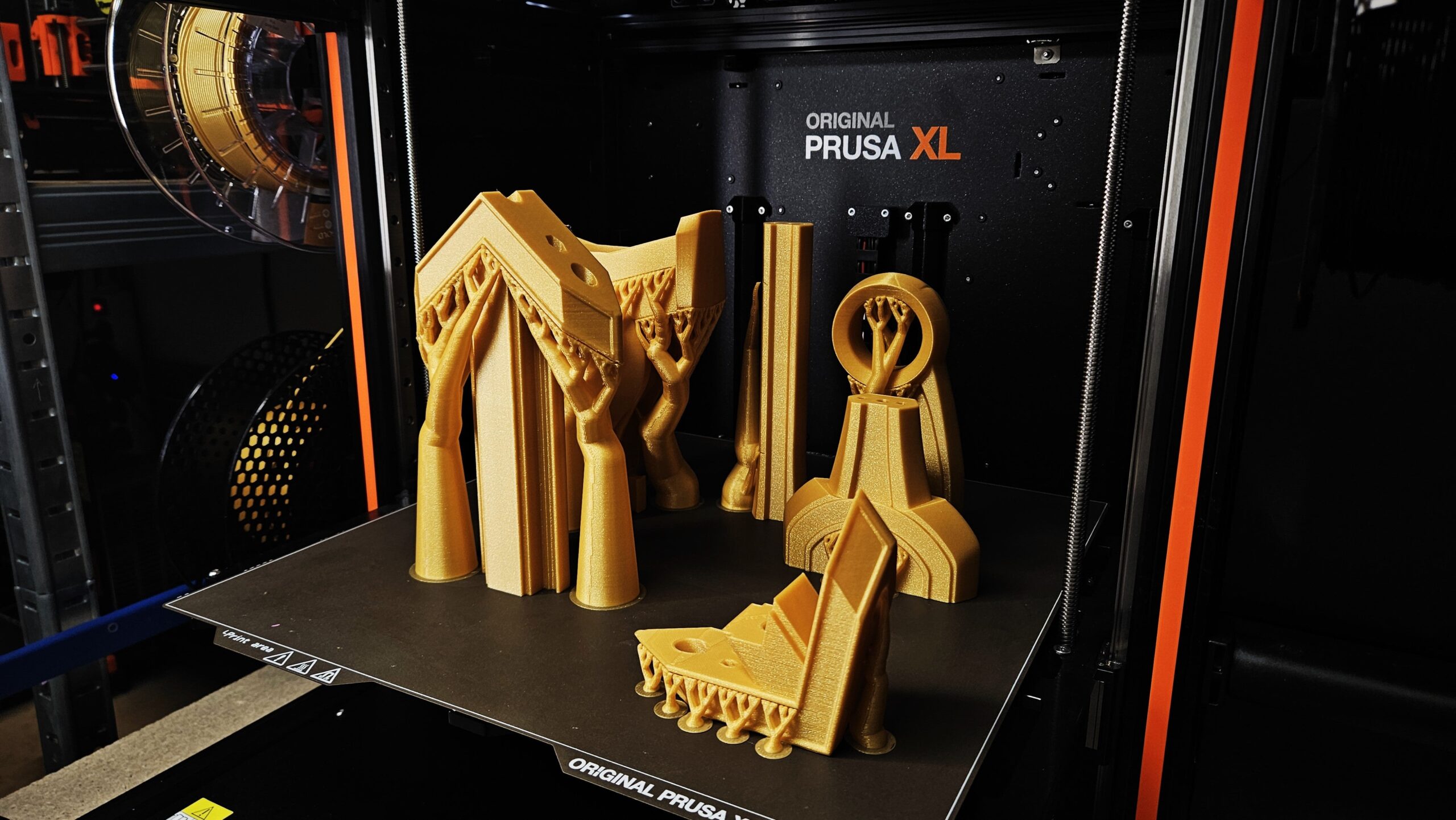
PLA Filaments I used:
Blue: Bambu Lab Teal Translucent PLA 13612 (510g)
Gold: Filamentum “Cairo Gold” (600g)
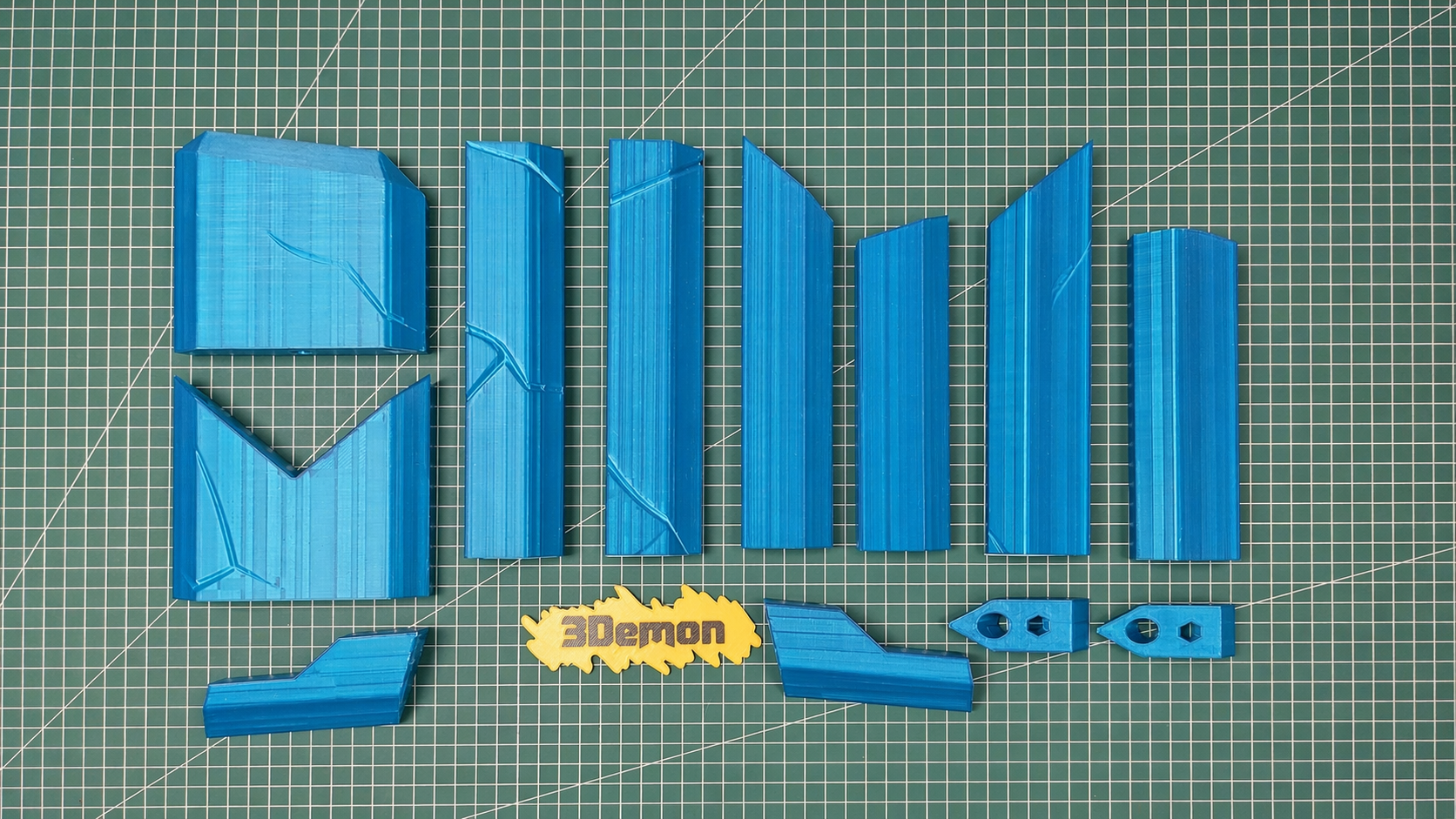

Step 2: Get your table ready for painting
Step 3: Prepare your colours

You will need:
- White acrylic paint
- yellow acrylic paint
- gold acrylic paint (I had on hand Citadel Liberator Gold)
- brown acrylic paint
- black acrylic paint
- white posca marker (or any white acrylic marker pen)
Step 4: Painting darker colours
During painting, I myself combined both ways.
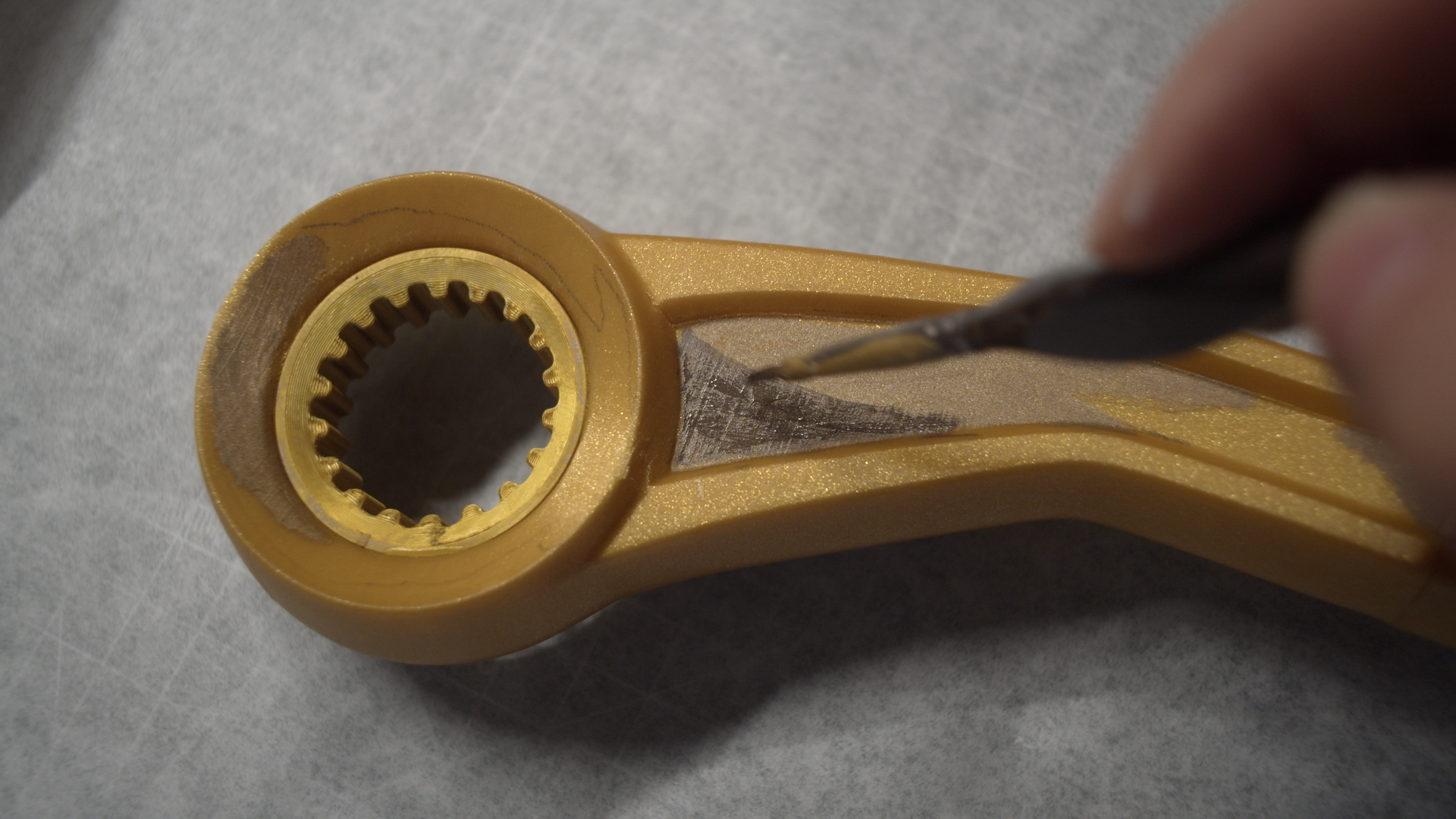
Then paint lighter shapes around these areas. I used a mix of gold and brown. Remember, there is no right or wrong way to paint the shapes, so just set your creativity free! 🙂
Step 5: Painting lighter areas
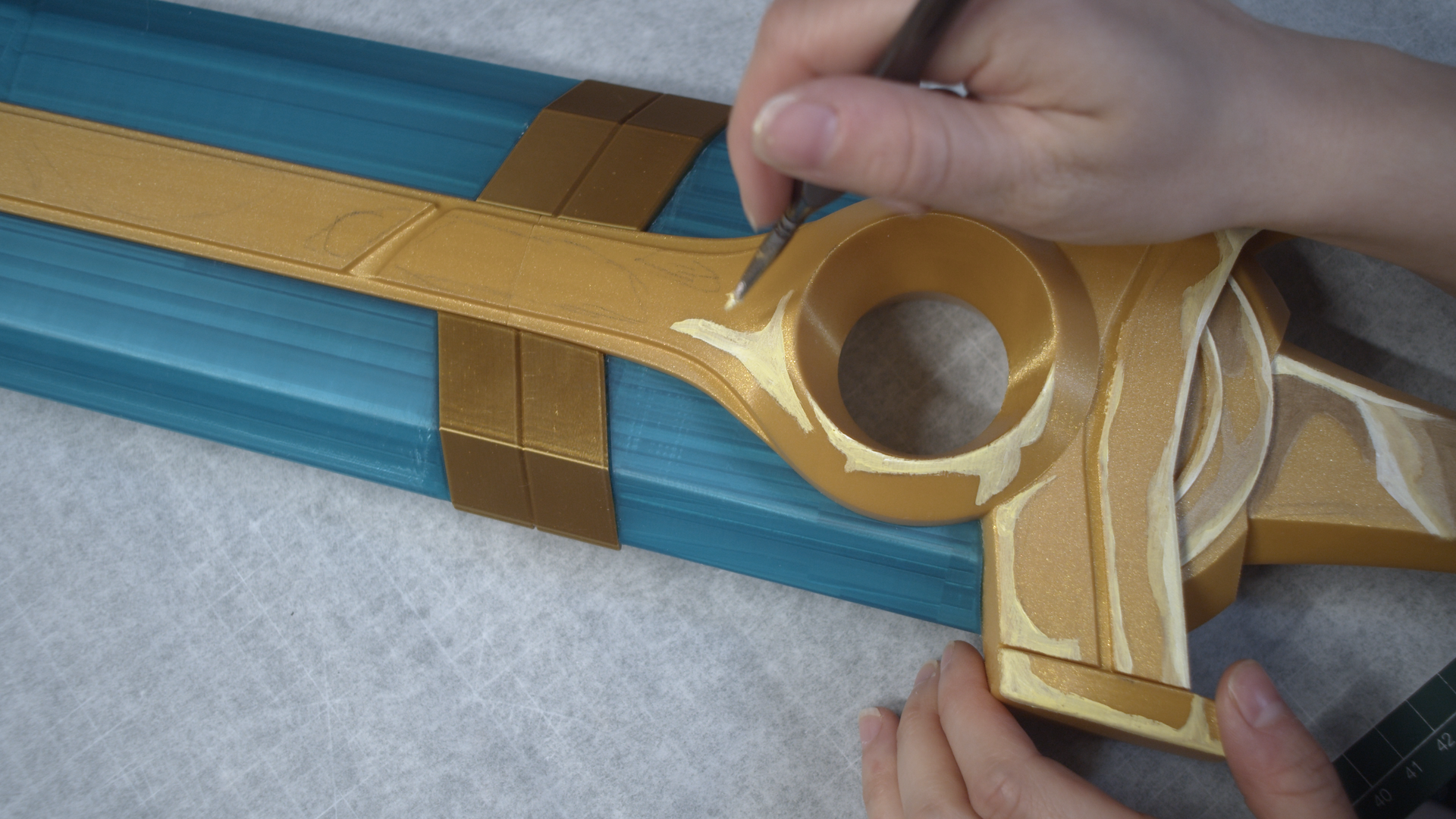

Then outline them with white paint.

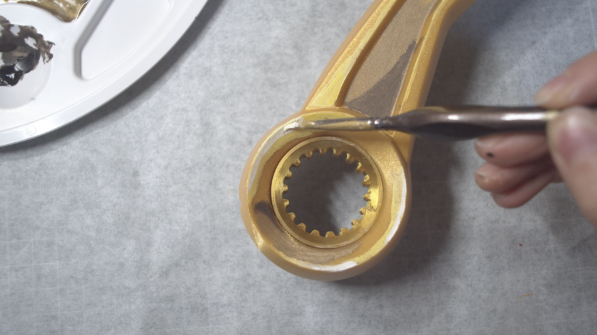
Step 6: Edge paint
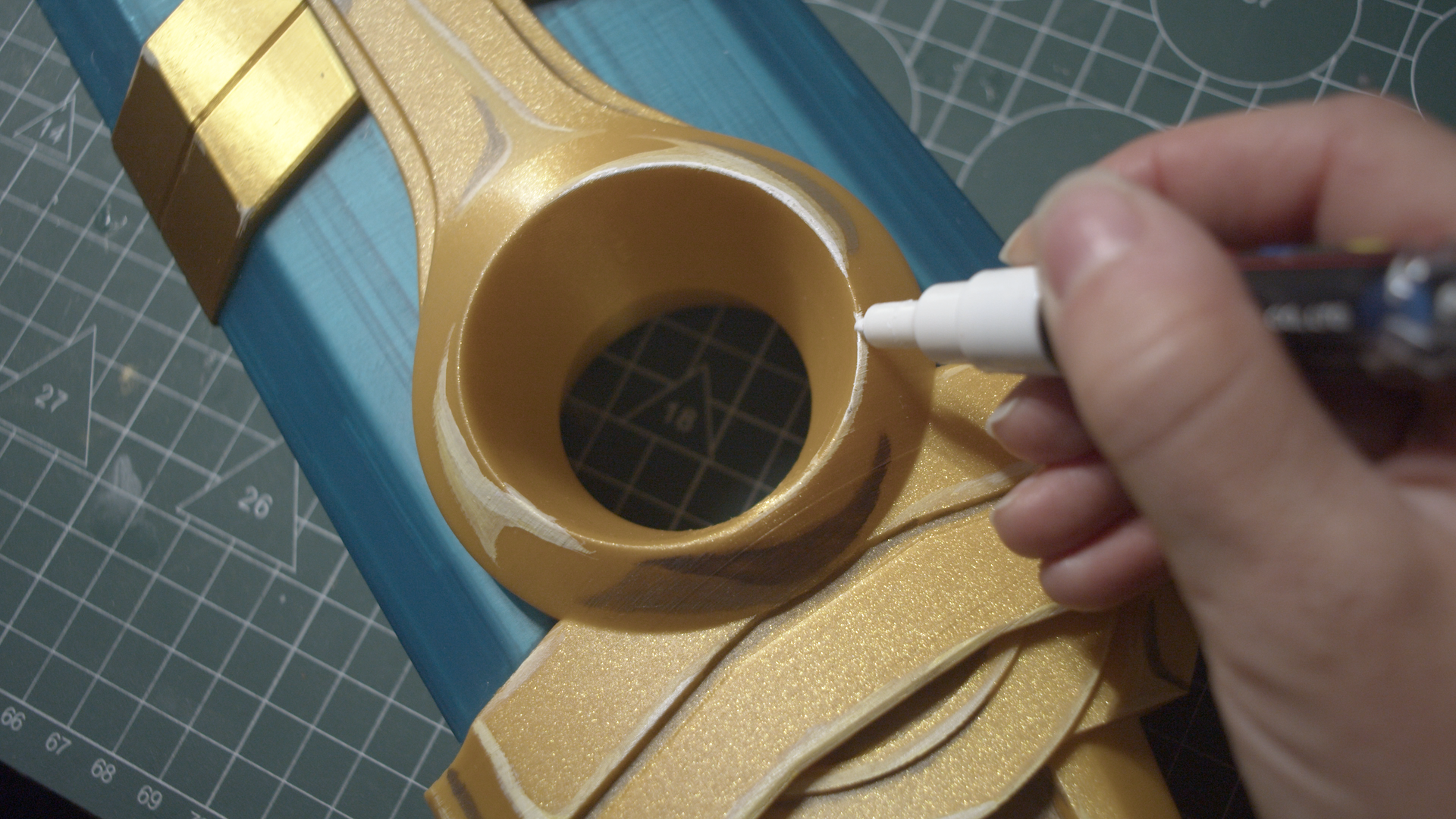
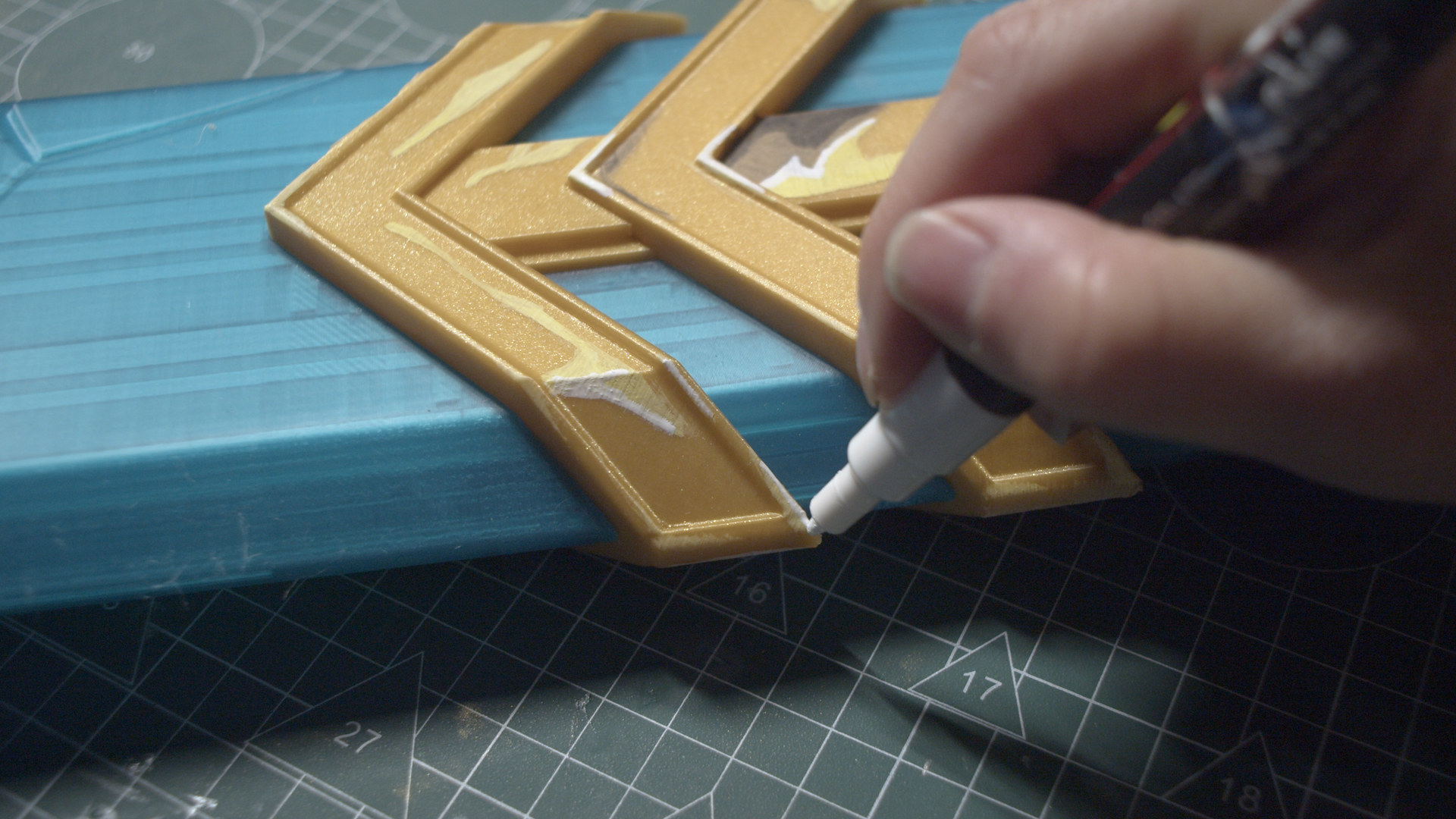
Now, for the final touch, take a white acrylic marker and outline rough highlight edges that we painted earlier to create a smoother look.
I also recommend using the marker in other areas, not just the highlights, because this will help you create a comic-like look
Step 7: Fixing colours
The last step you can take to ensure your paint stays in place is to spray the whole prop with a transparent coat. For this project, I recommend using velvet clear coat because it gives you the best of both worlds when it comes to mat and shine.
Final Result
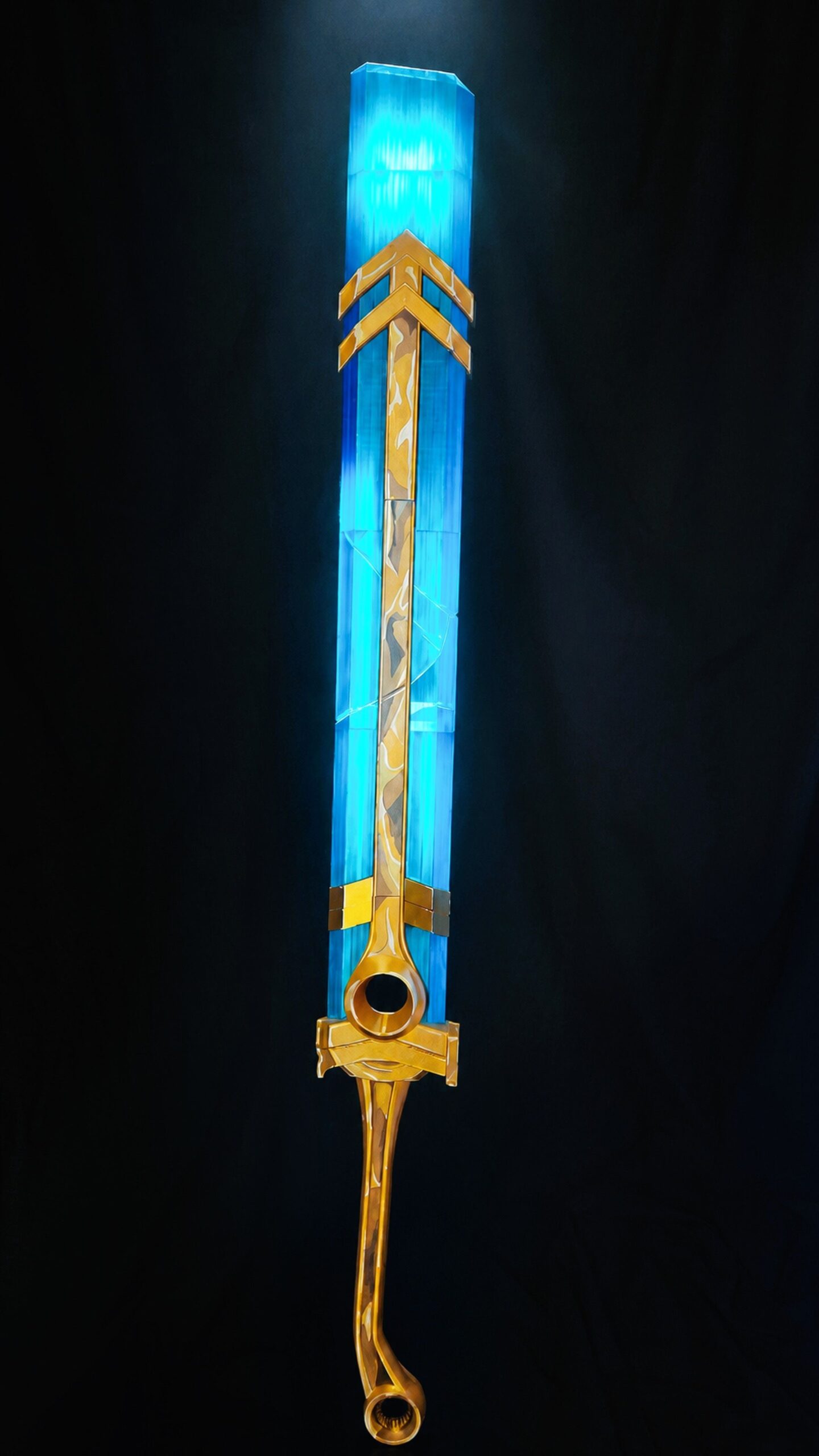
And here it is: Ekko’s sword from Arcane, printed, painted, and ready for display or cosplay!
Good luck with making yours!
And if you decide to make one, tag us so that we can share your beautiful work with the world, too! <3
Here are more Arcane project ideas!


Leave a Comment