

Easy to make Kasaka’s Venom Fang dagger | Solo Leveling

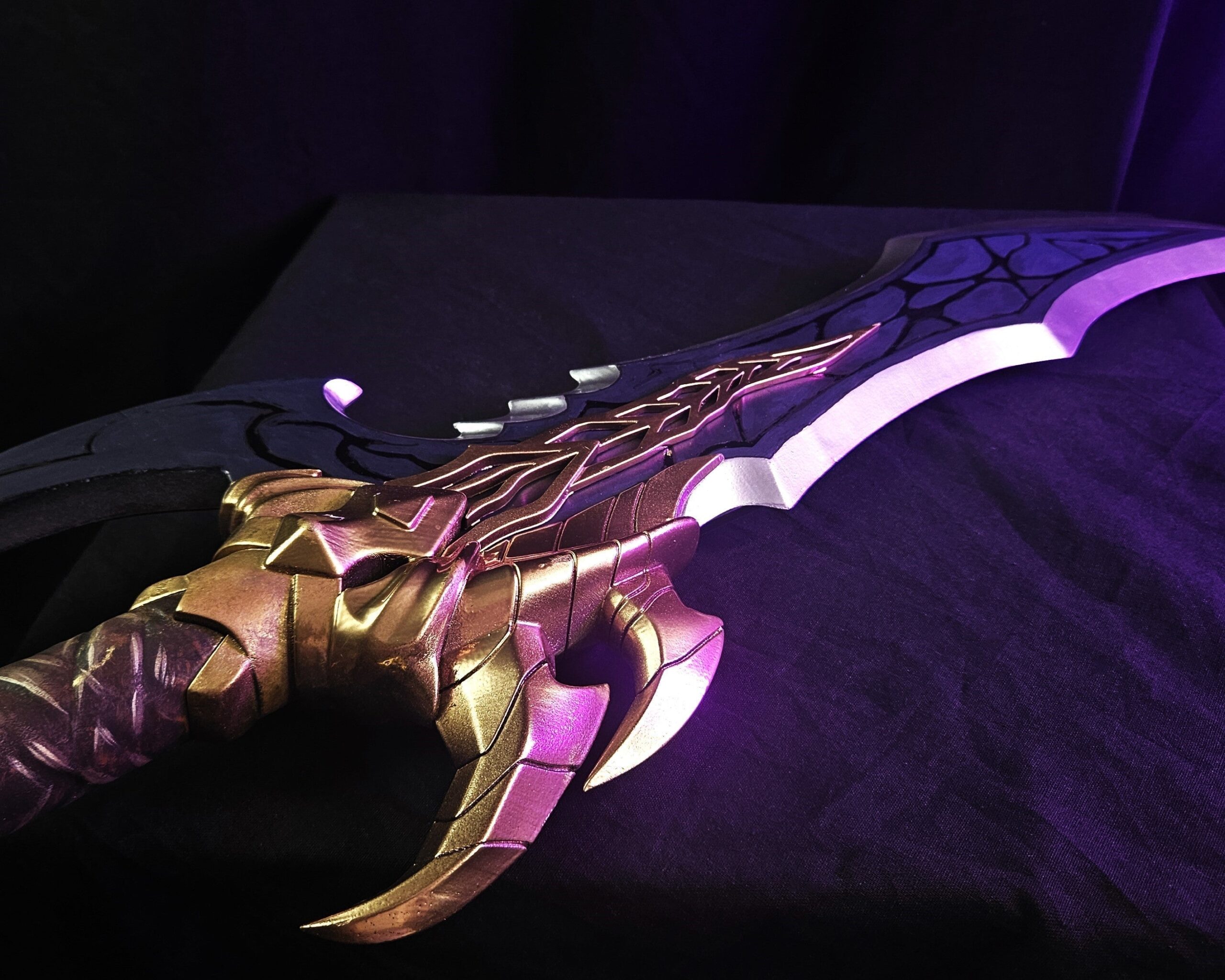
Kasaka’s Blade is one of those props that looks simple for about five seconds 😅 But once you break the build down into stages, it’s actually really easy to make one yourself.
In this post, I will show you how I 3D printed Kasaka’s Blade from Solo Leveling and explain how you can absolutely create this cool-looking blade yourself with ease! So let’s get started!
Process steps in order:
1. Files preparation + Slicer
2. Printing
3. Sanding
4. Gluing
5. Filling
6. Spraying
7. Hand-painting details
8. Gluing together vol 2
9. Tada!
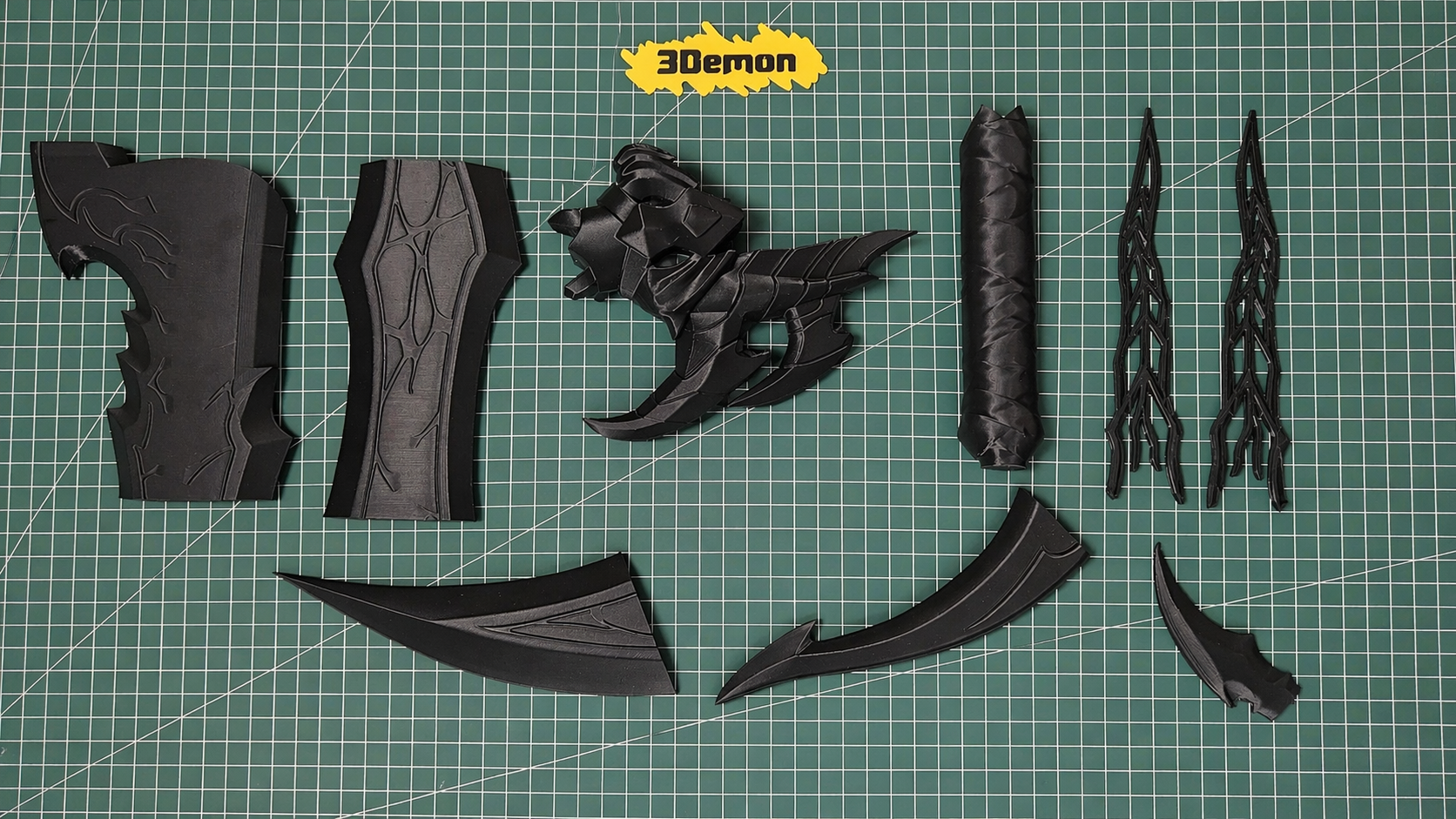
Step 1: Preparing the Files in PrusaSlicer
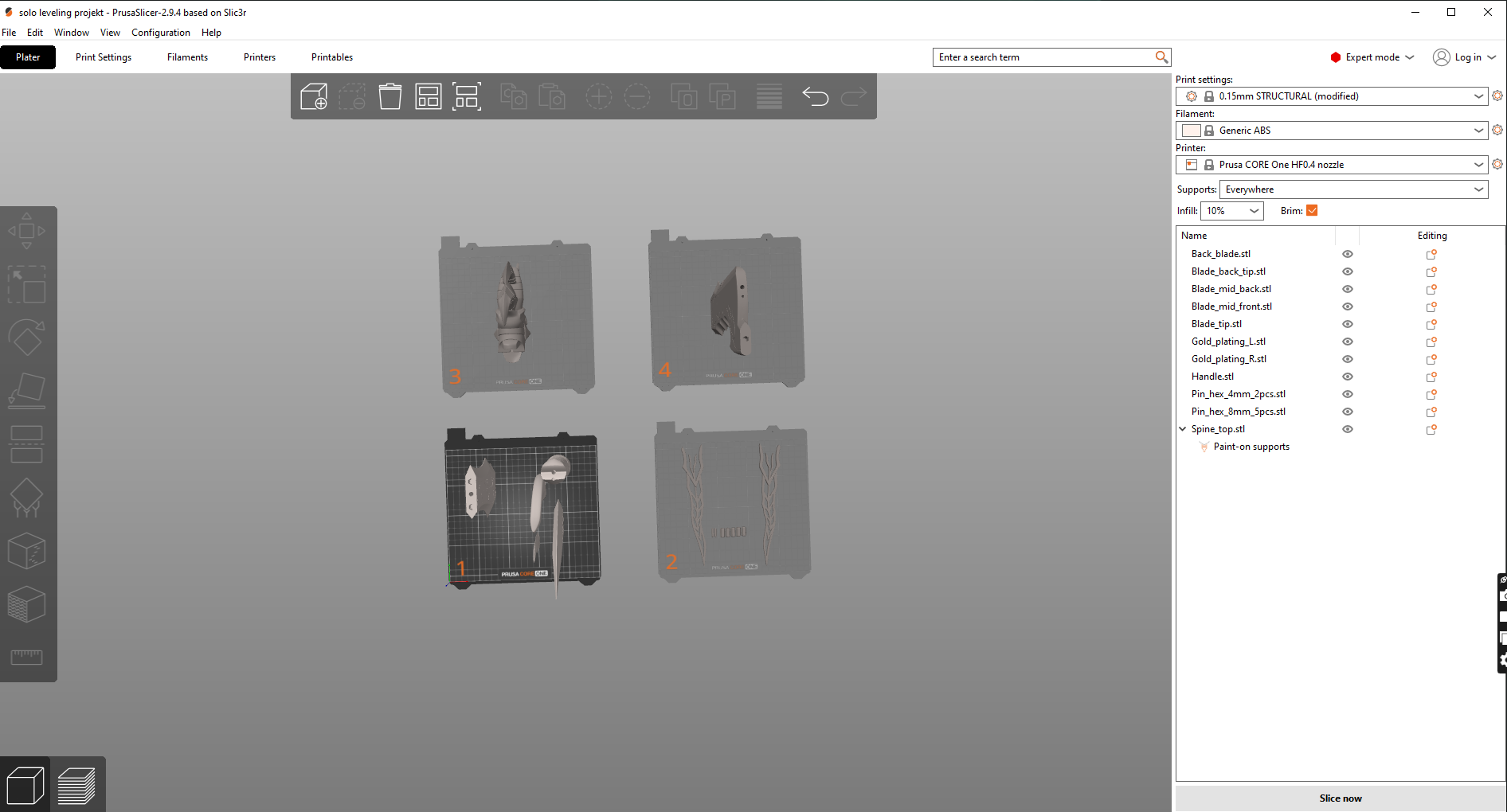
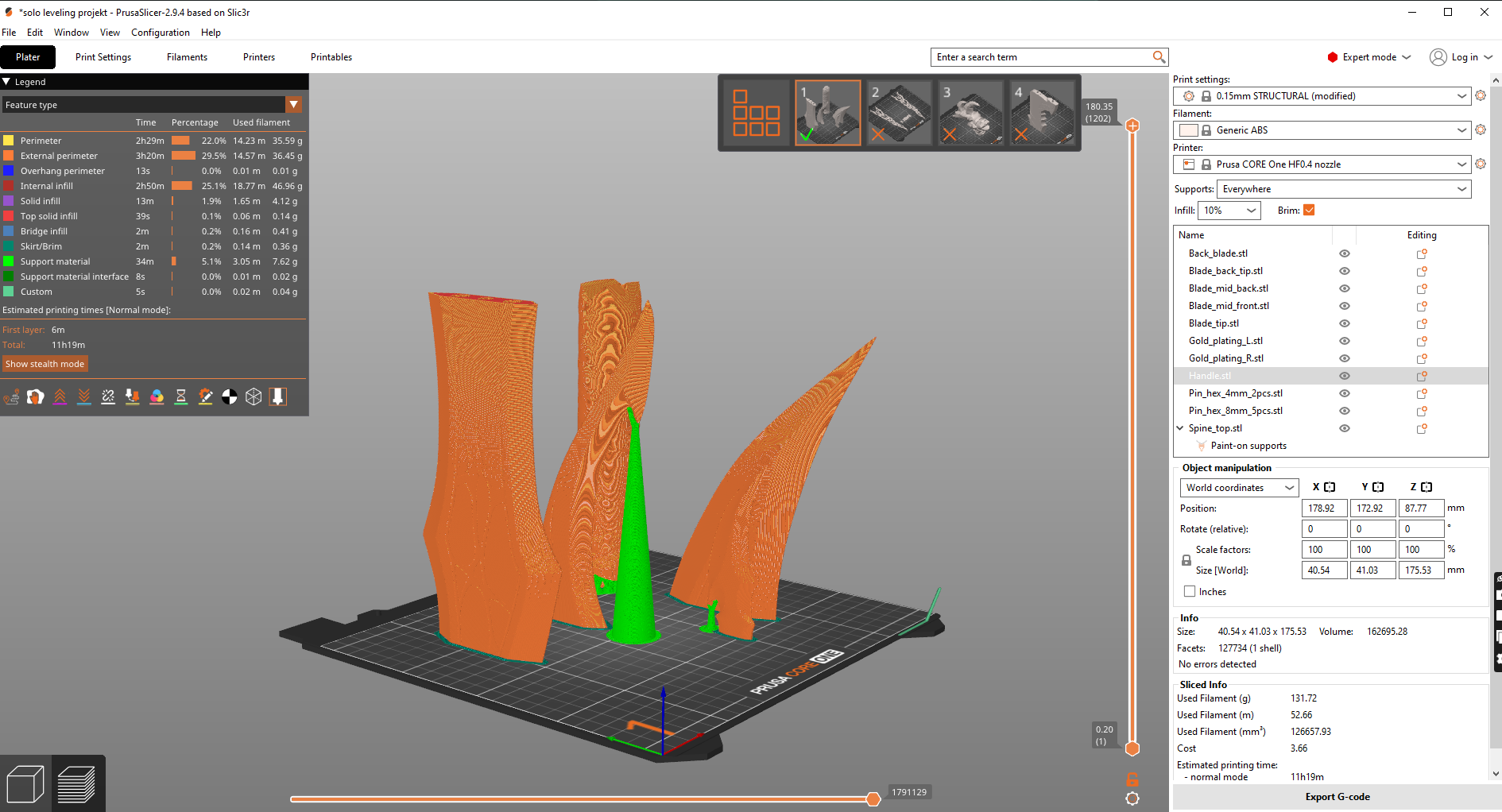
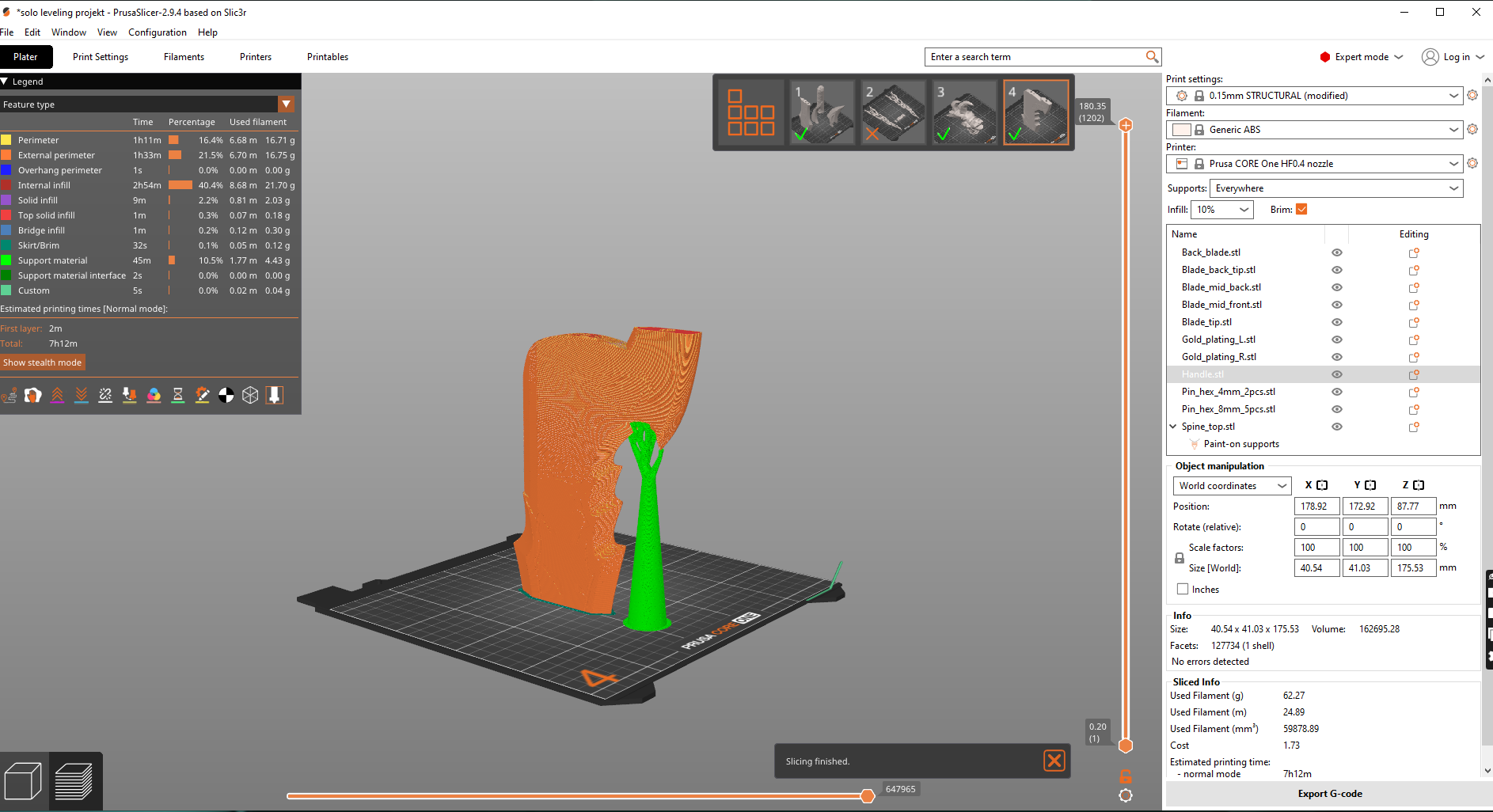
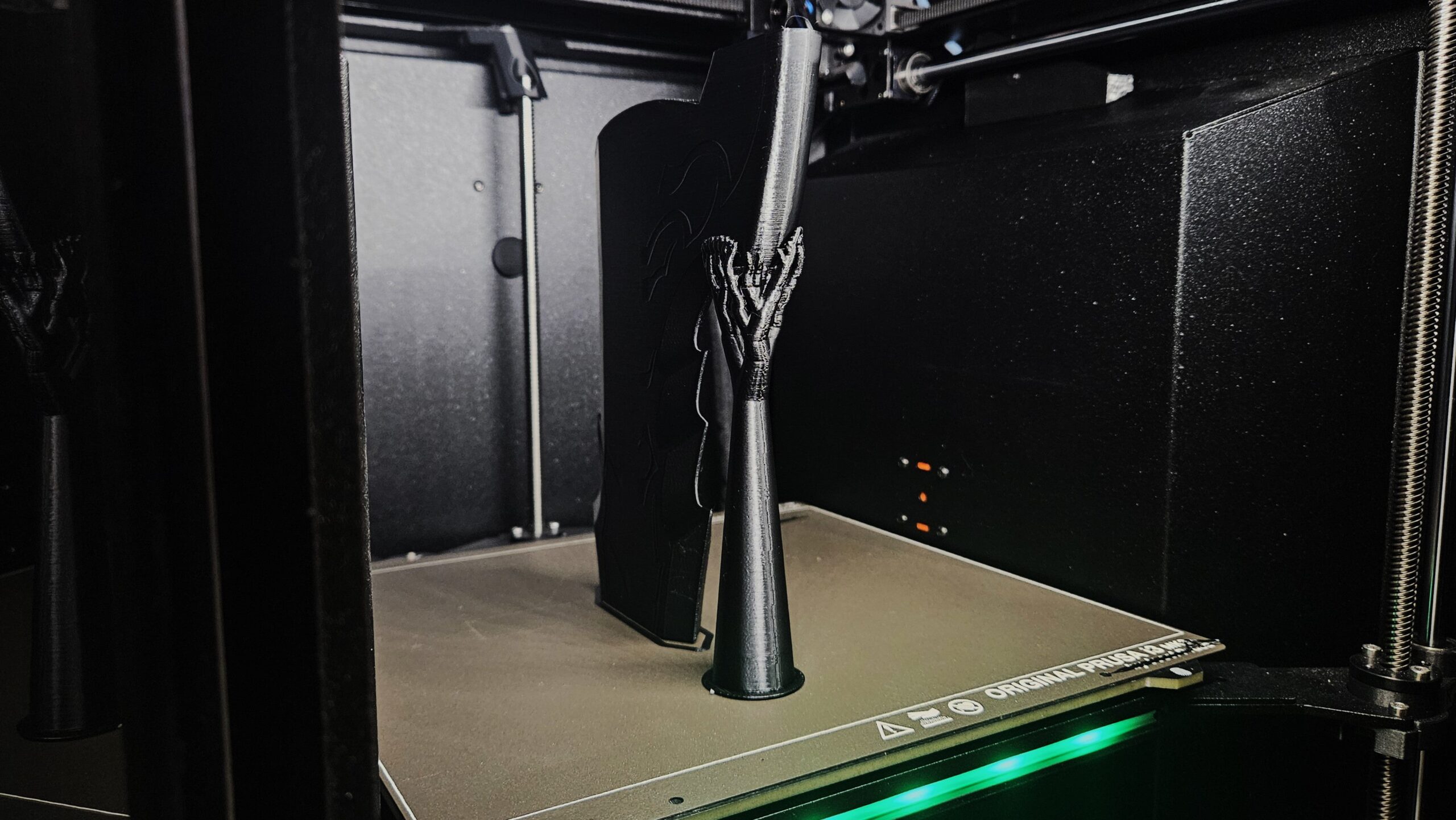
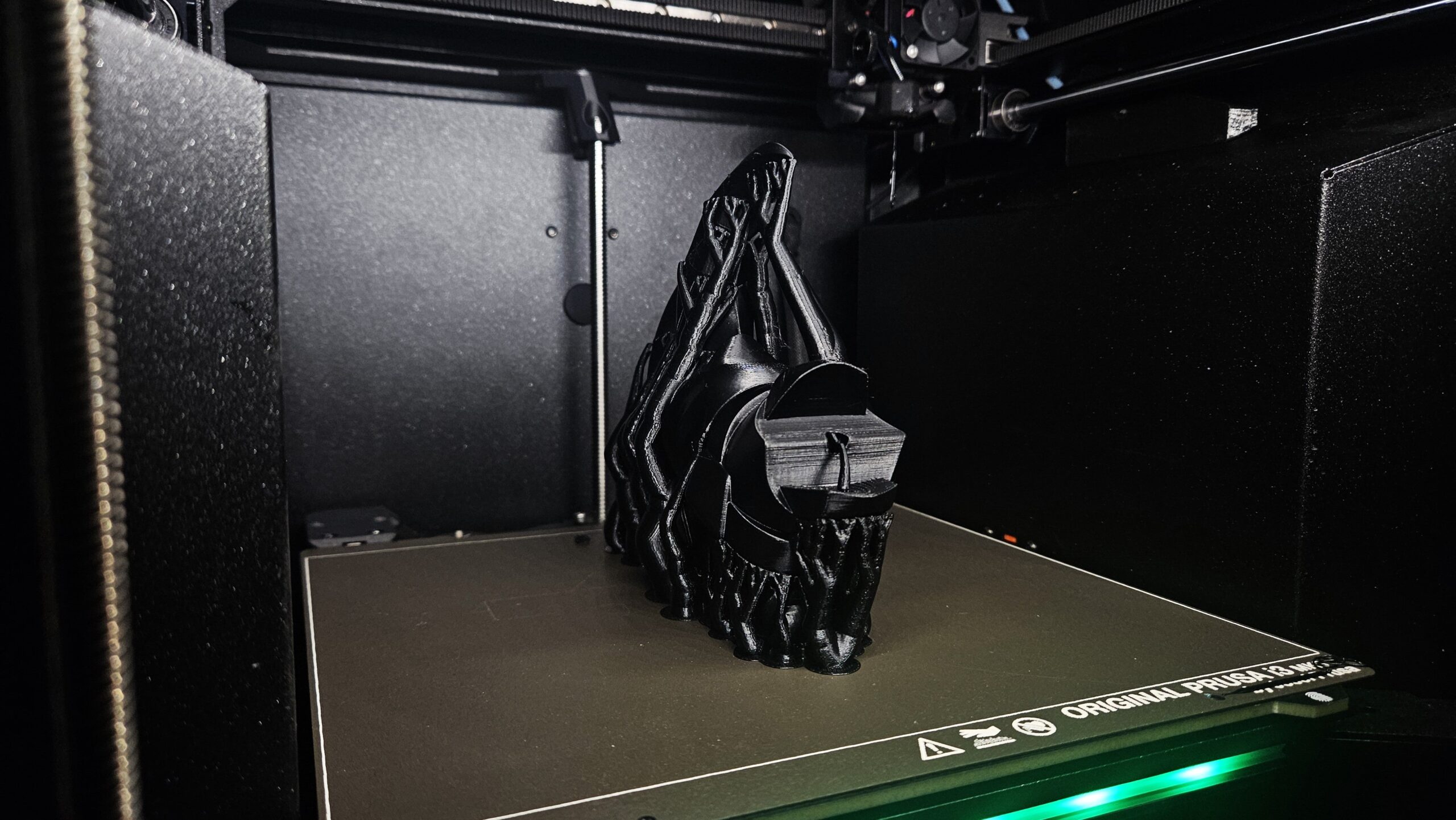
Step 2: 3D Printing
I printed all the parts in ABS.
ABS works nicely for cosplay props because you can easily sand it and post-process it well. After printing, remove any supports and clean up the parts before assembly.
Mostly with sandpaper or an electric sander tool if you are in a hurry.
Step 3: Sanding
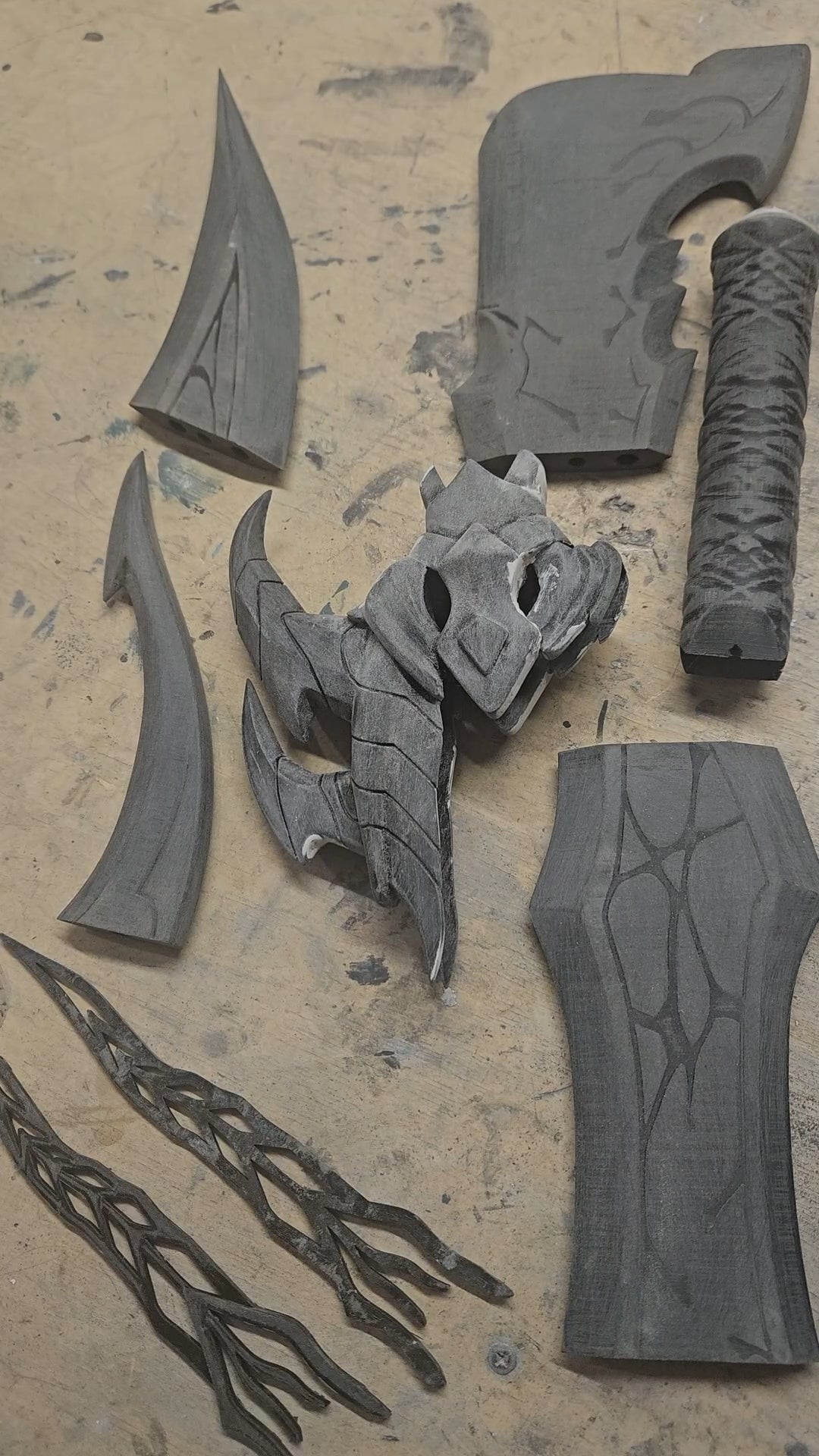
Before gluing the parts together, I gave the printed pieces a first round of sanding.
This step helps remove the most visible layer lines and rough spots. It also prepares the surface for filler, which works better when the part is already cleaned up a little.
You do not need to make everything perfect yet. This is just the first pass. 🙂
There will be more sanding.
There is always more sanding. :’)
When you finish the first pass, take your time and sand all pieces again with gradually finer sandpaper. Remember that you always go from lower numbers of grittiness to higher. Let’s say you use 180 grid paper and build your way with each pass to 800 or even 1000.
Step 4: Gluing the Blade Together
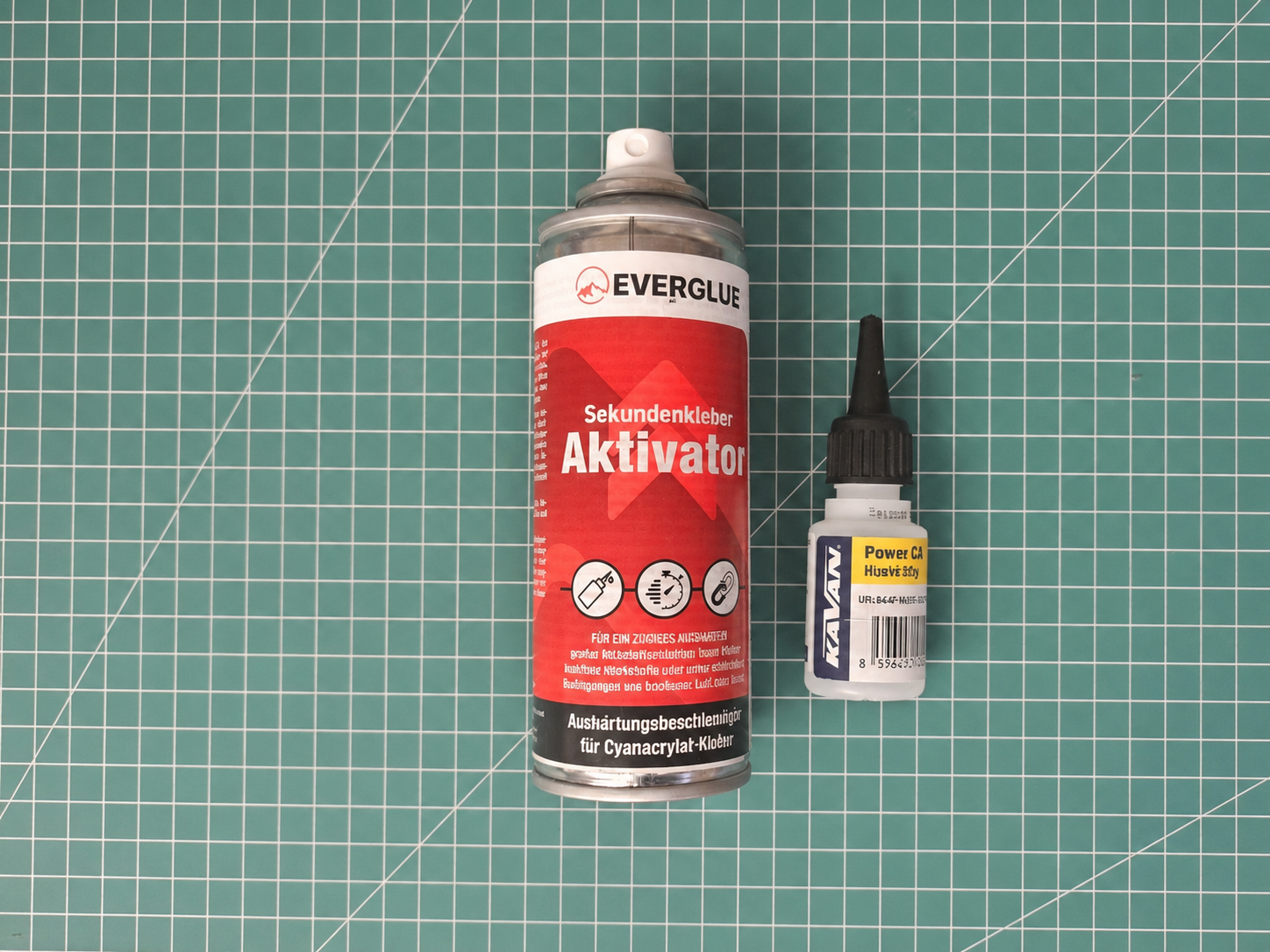
Once the main parts were sanded, I glued the blade together. The model has pegs and a hole for an enforcement pole (stick) for a firmer build and correct placement.
This is the part where the project finally starts looking like Kasaka’s Blade and not like a collection of mysterious objects. 😀
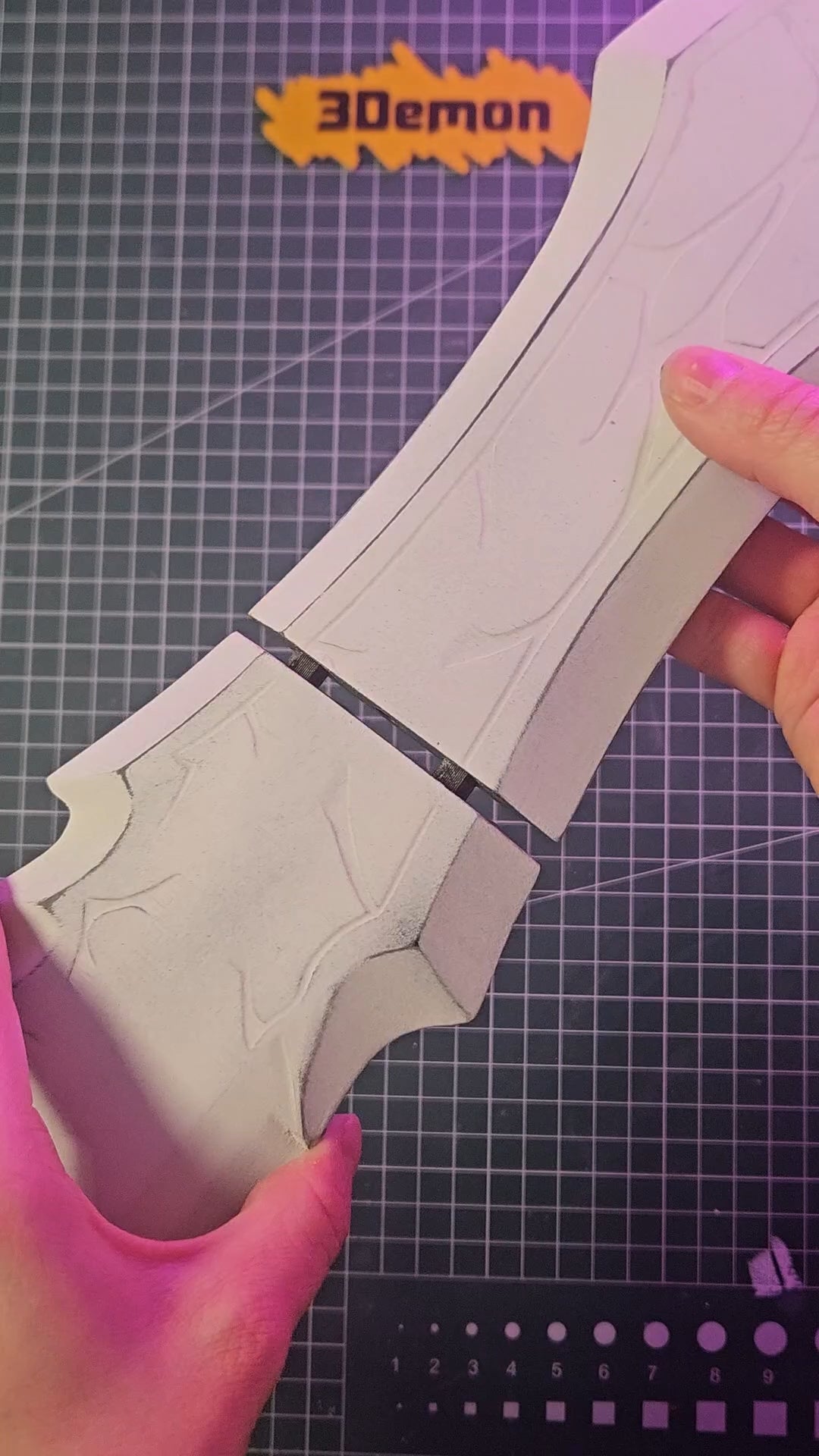
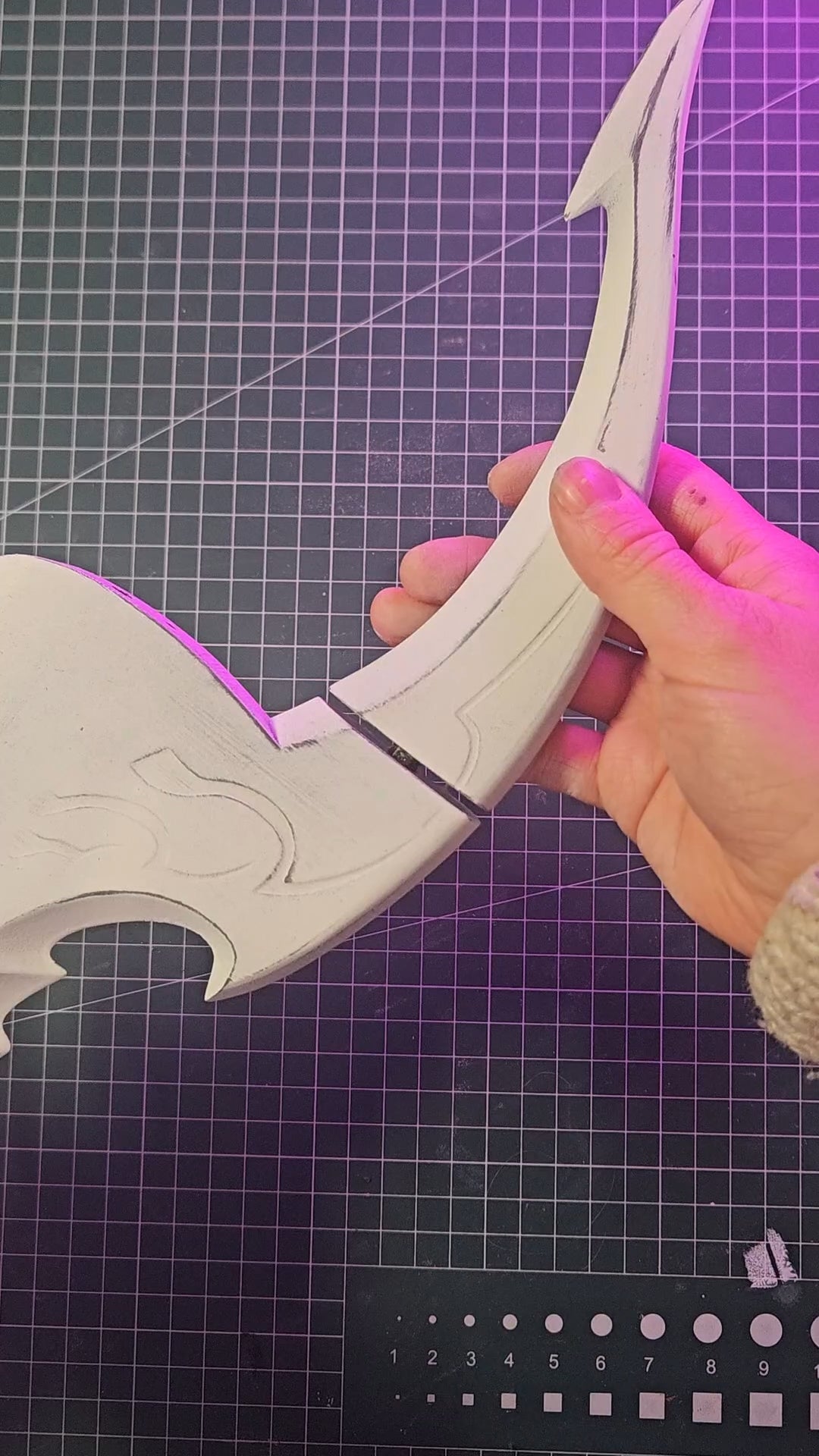
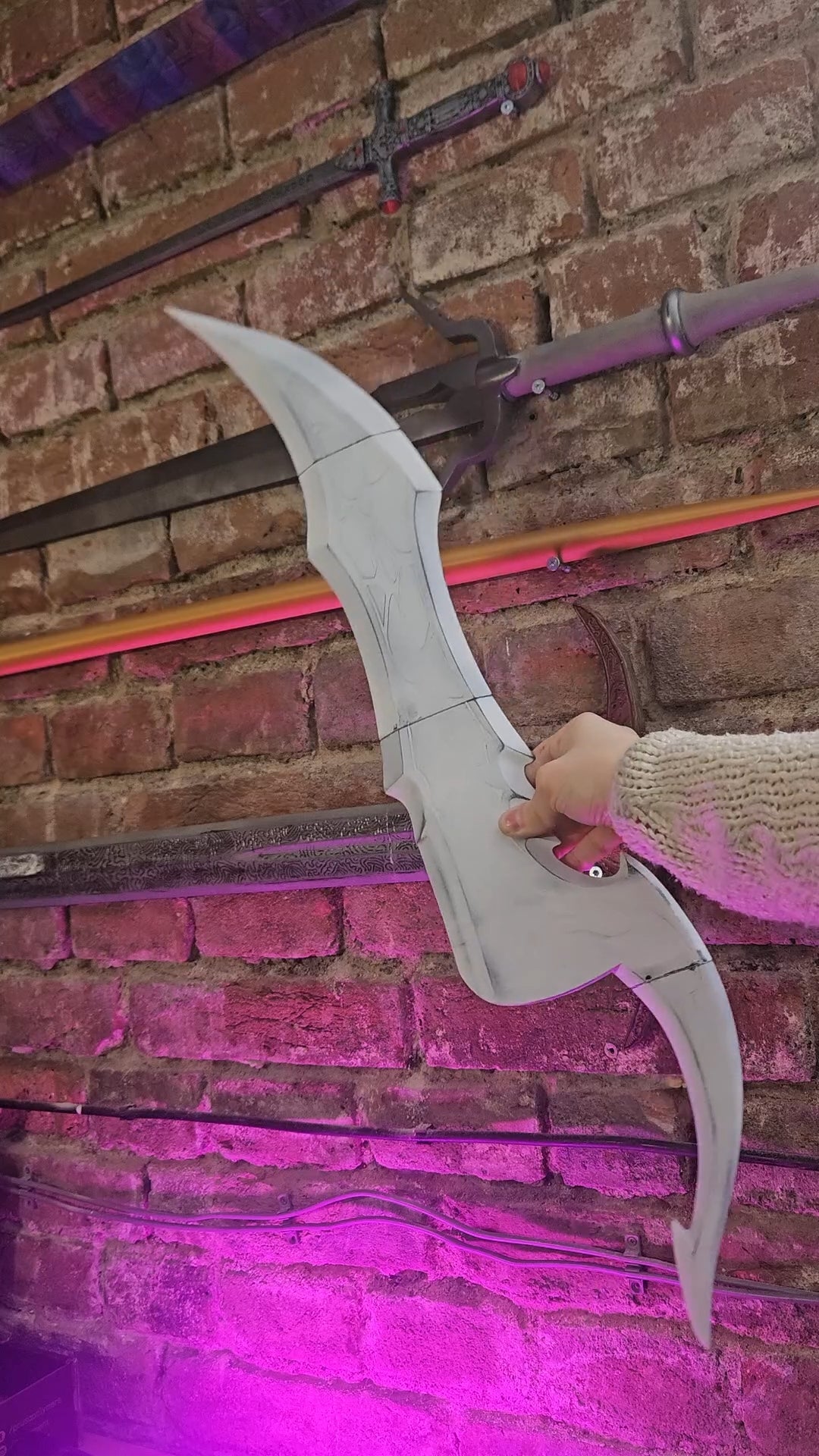
Step 5: Filling the Gaps
After gluing, I filled the seams and gaps with a sandable 2-part polyester filler. (You can use any sandable filler, but I found out that wood filler tends to crack in cold temperatures.)
I let it cure, and then sanded it down so the joined parts looked like one continuous piece.
If you can still see the seam after sanding, add a little more filler and repeat.
Step 6: Spraying

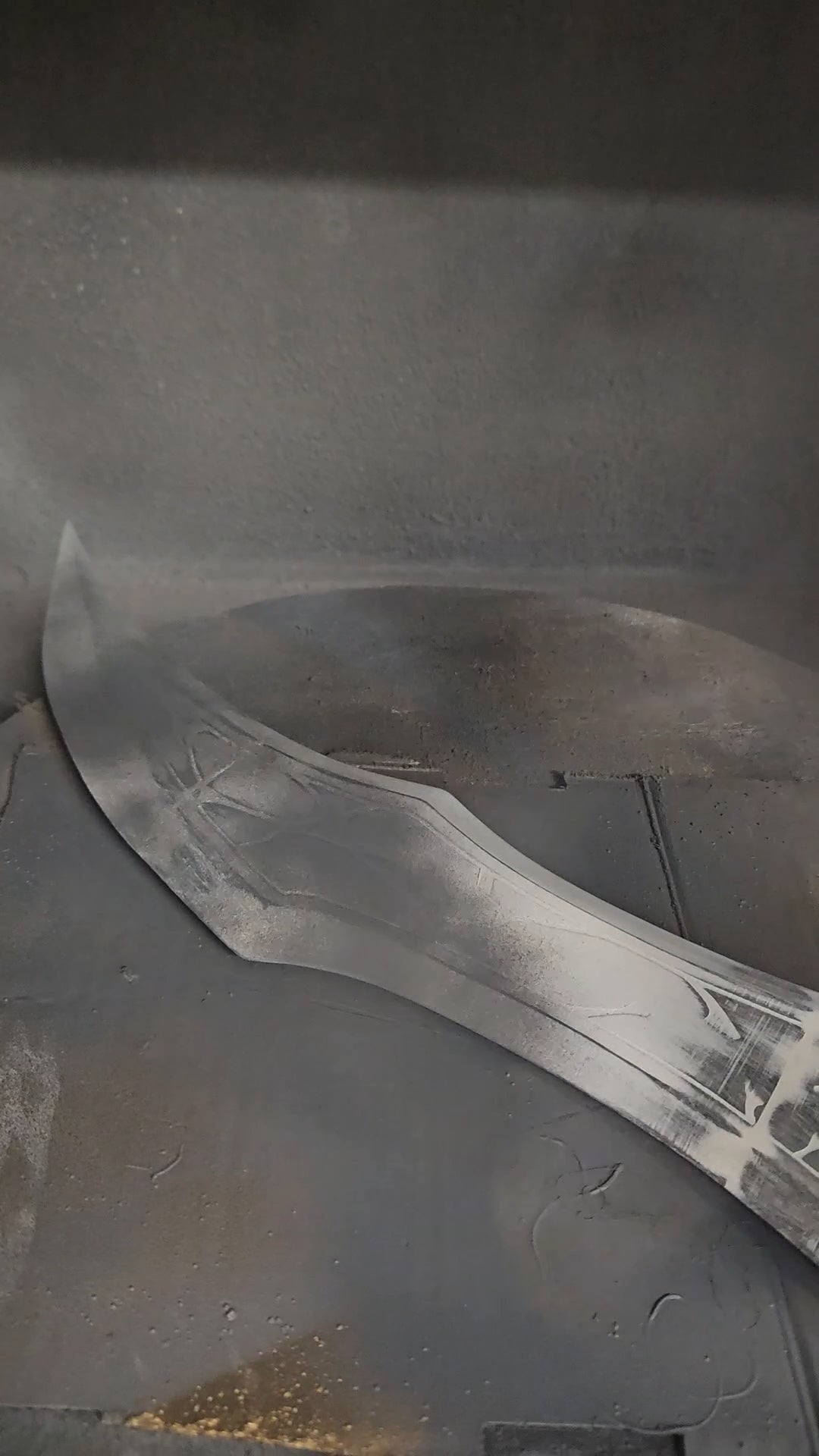
After the first sanding, I applied a coat of spray filler.
Spray filler helps smooth the surface and makes the layer lines easier to sand down. Once it dried, I sanded the parts again until the surface looked cleaner and more even.
For large blade pieces, it is better to build the surface gradually instead of trying to fix everything with one heavy coat.
Filler Coat and Primer
Once the blade was filled, I sprayed it with a primer.
Primer gives the paint something to grip onto and also helps reveal any remaining imperfections. If something looks bad in primer, it will probably still look bad in the final paint.
So if needed, sand it again before moving on.
Glossy Black Base
For the base color, I used glossy black acrylic spray paint.
This worked really well for Kasaka’s Blade because the final design has strong dark areas, metallic edges, and gold details. The glossy black base also gives the metallic paints a good base for the right shine.

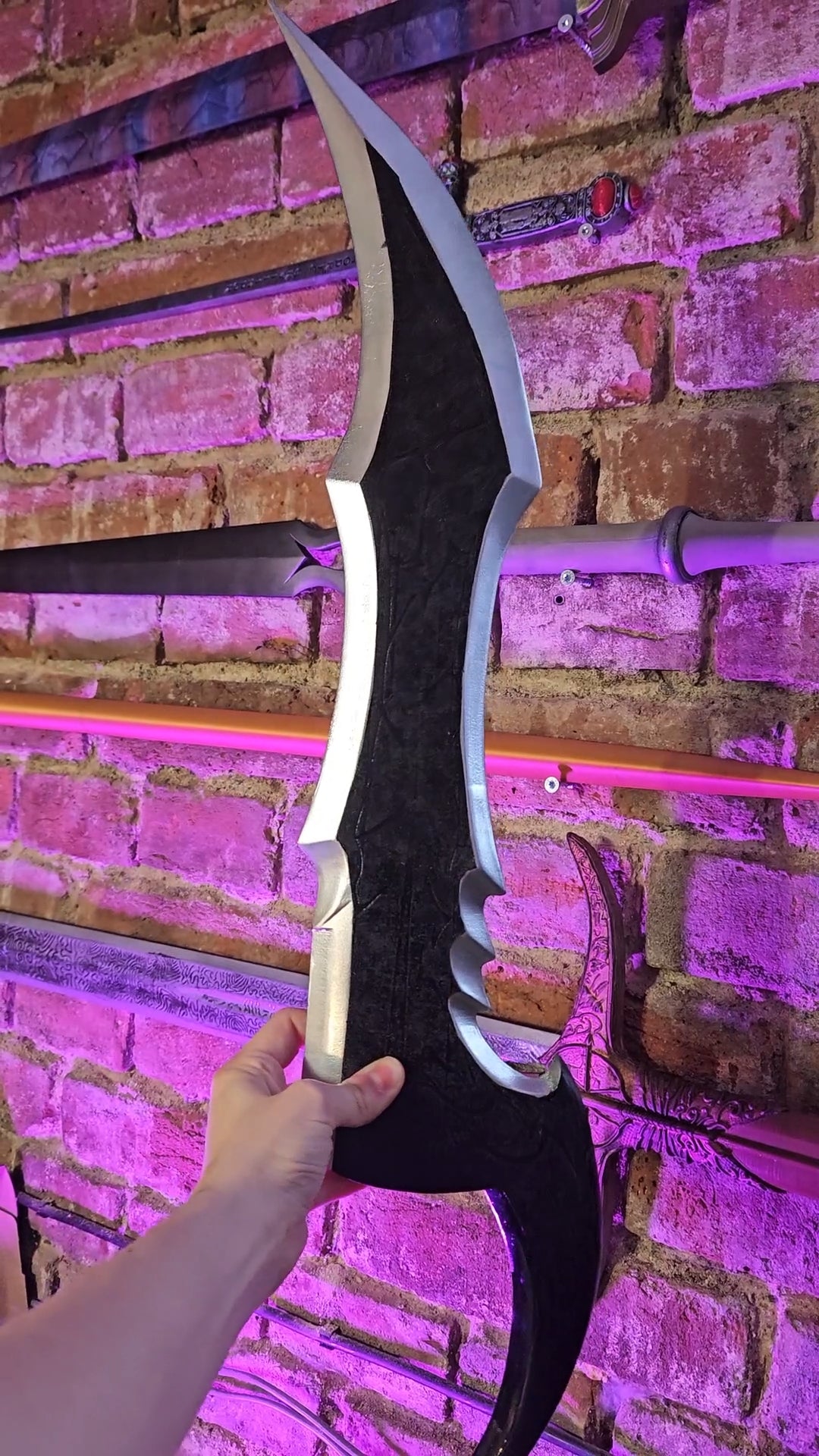
Masking and Silver Spray Paint
After the black base dried, I masked the parts that needed to stay black using paper masking tape.
Then I sprayed the silver sections of the blade. This is how the blade looked at this stage:
Gold Details
Next, I sprayed the gold parts.
If you are unsure, these are the parts: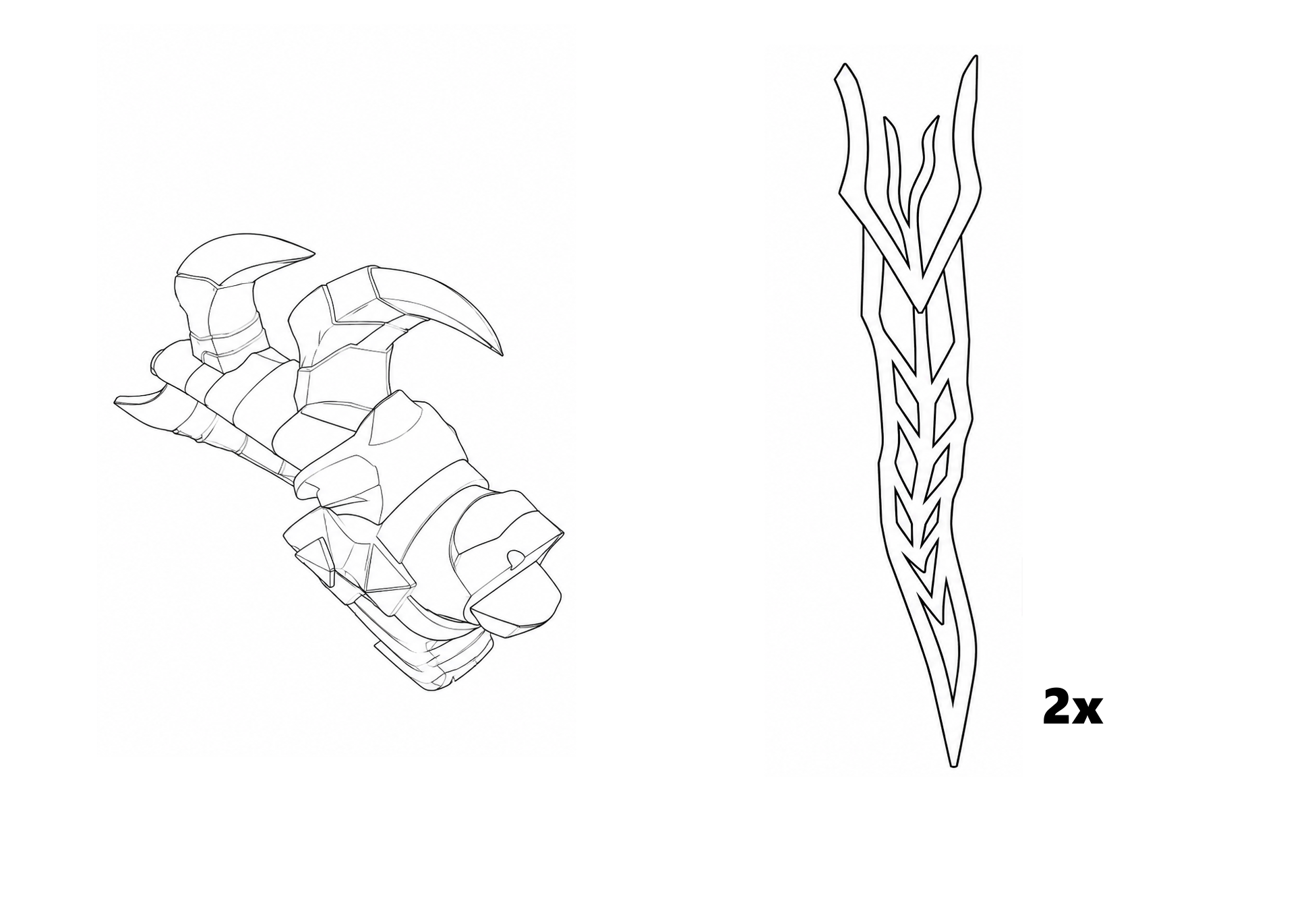
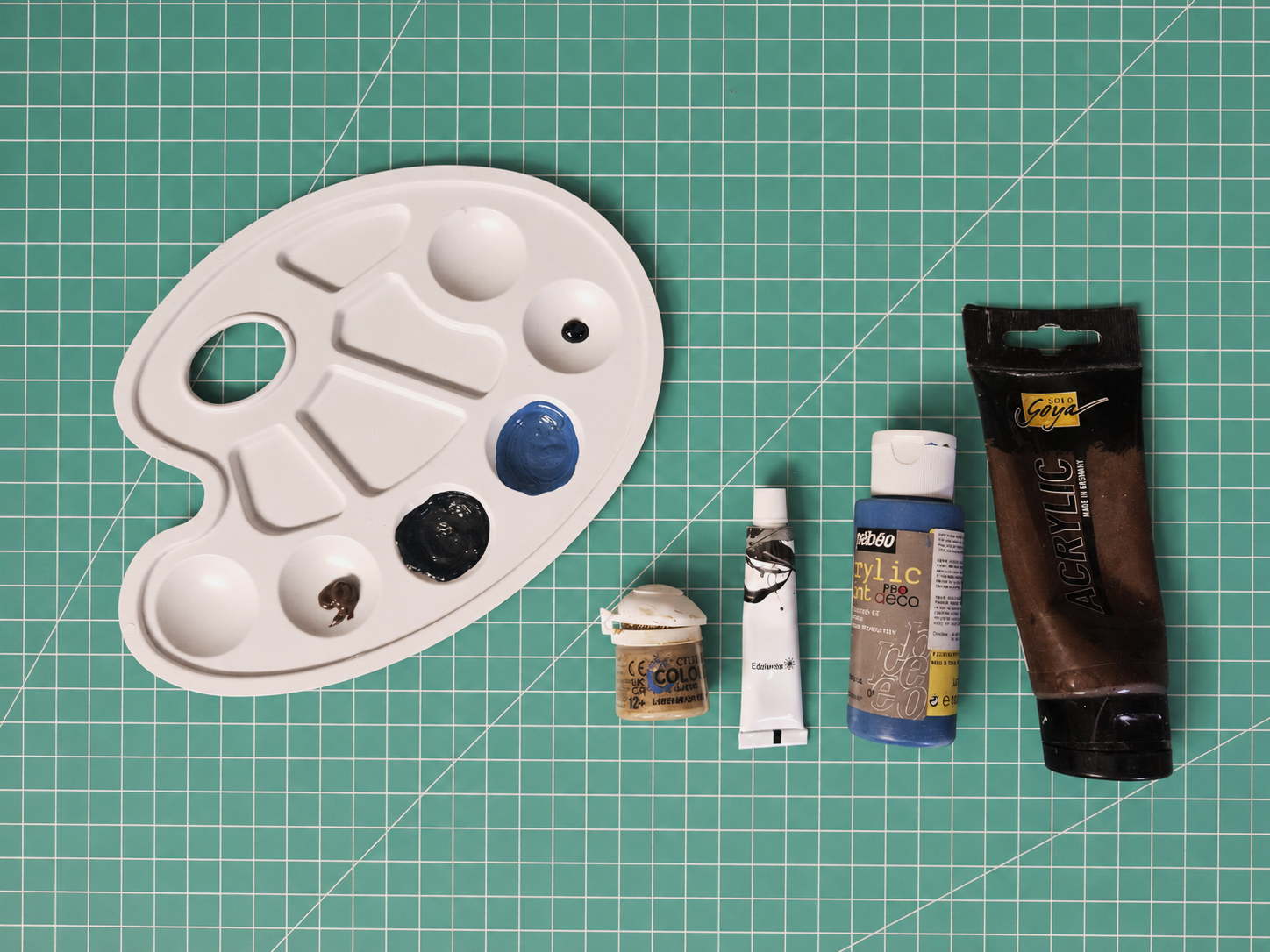
Step 7: Hand-painting the Blue Details and the handle
Painting the Handle
Painting the handle was a bit different. I started with a brown base.
I sprayed mine, but it’s fine to paint it if you don’t own a brown spray.
After that, I painted different brown shades by hand to bring out the texture and create more depth. I focused on adding darker shadows into the recesses and lighter brown tones on the raised areas.
Finally, I added gold highlights to make the handle look more detailed and less flat. I used Citadel liberator gold.
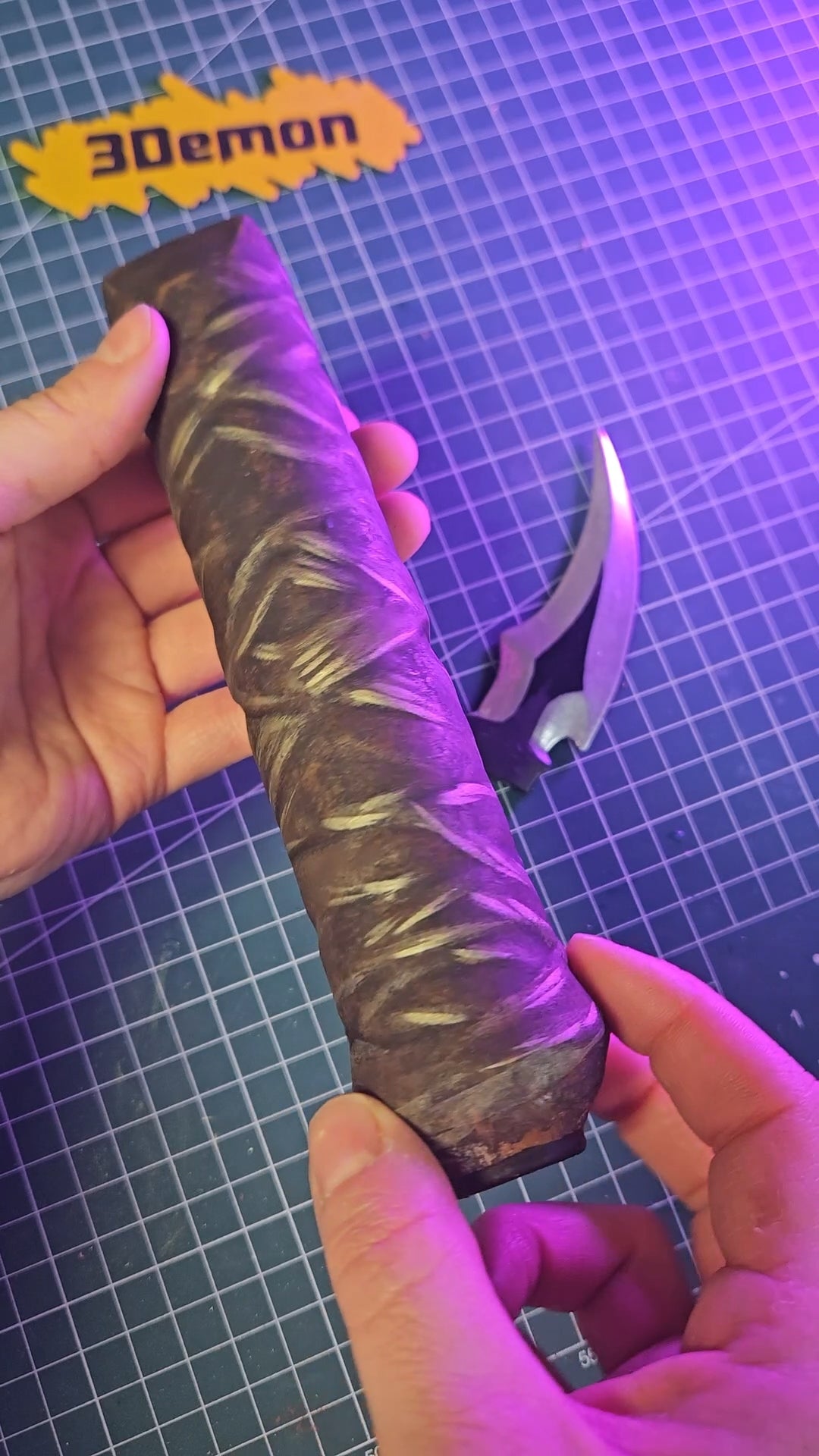
Step 8: Gluing together the handle and other details.
Once the blade and gold parts were painted, I dry-fitted everything first to make sure the pieces still matched.
Then I glued the handle and golden details onto the blade, checking the alignment as I went. After everything dried, I touched up any small glue marks or damaged paint.
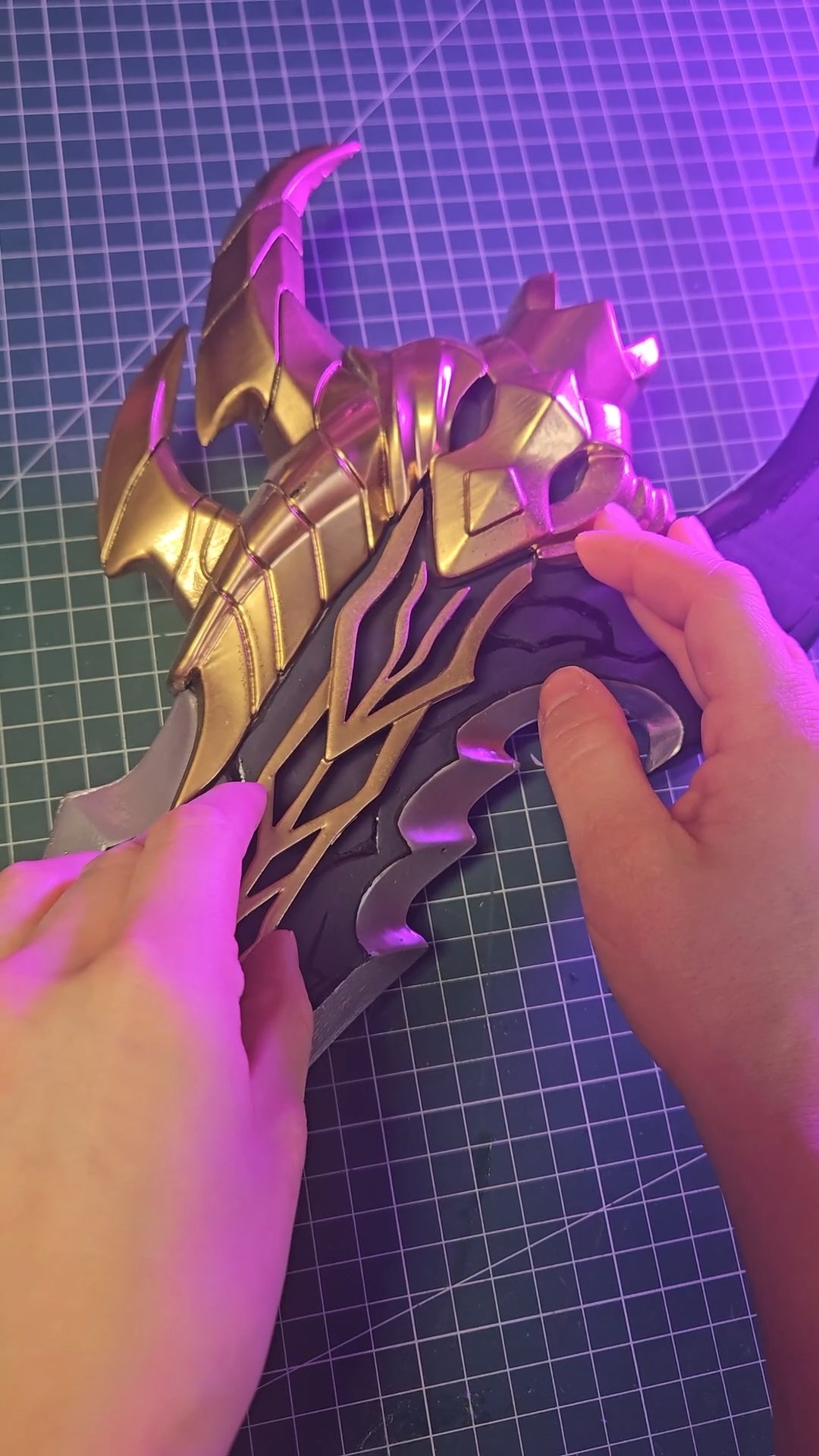
Final Result
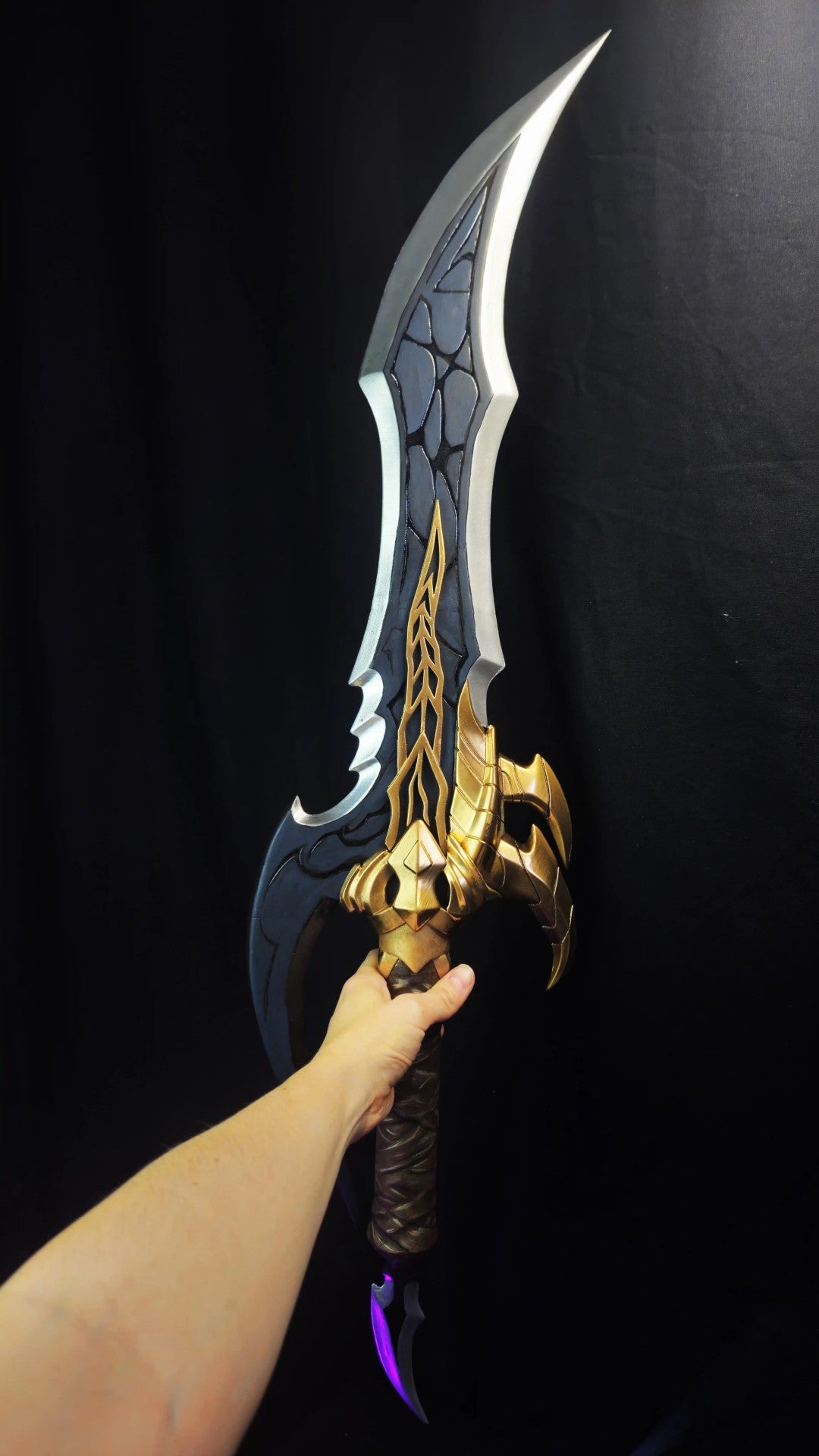
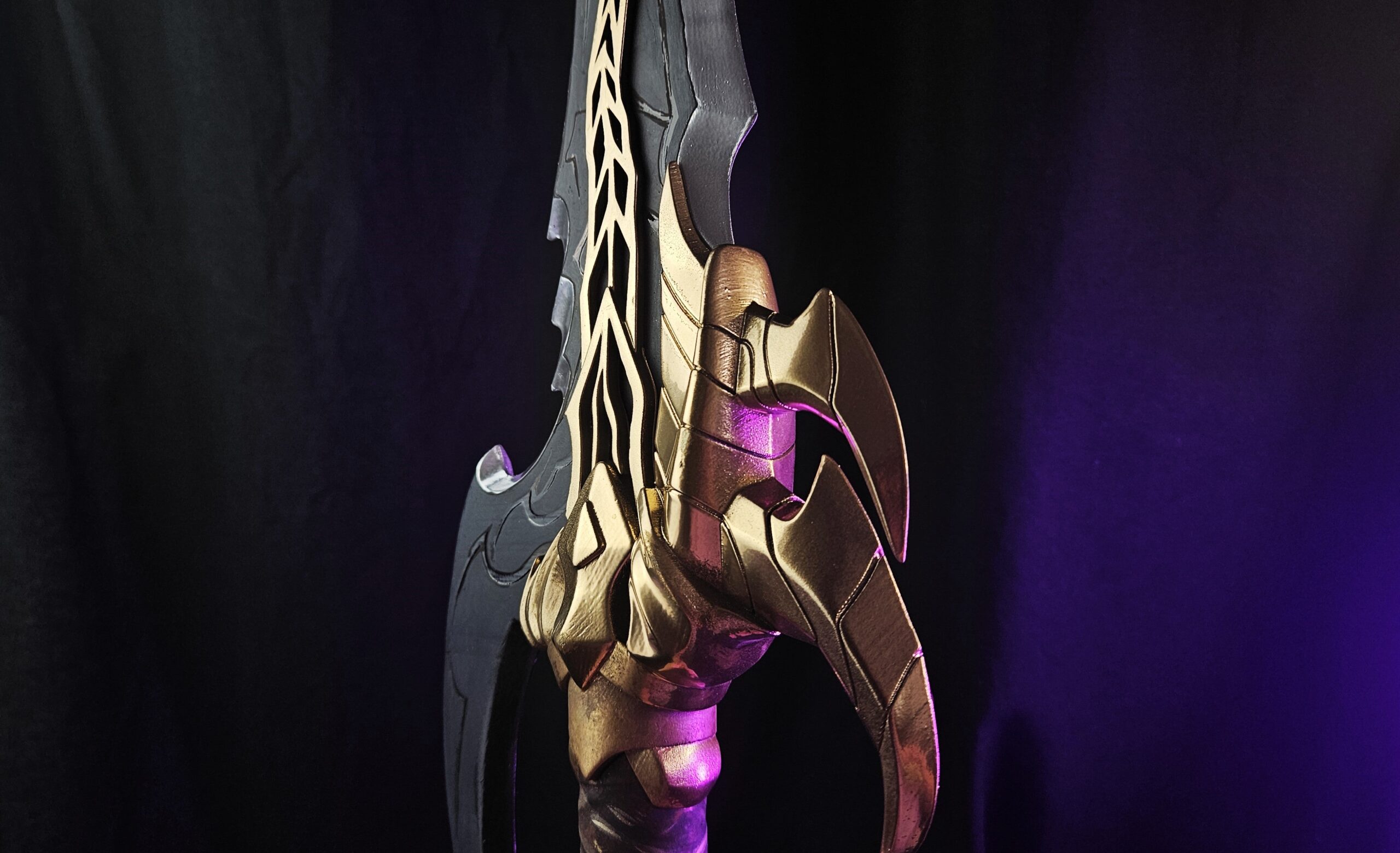
It weighs 275g, which is cool for a blade of this size! 😮
Post-processing: 16h
This time is, however, still almost nothing compared to the effort and time our 3D modeller Jan, put into it.🔥

Leave a Comment